Category: Health

  • Handwashing and Food Safety: Small Habits That Help Prevent Illness

    Handwashing and Food Safety: Small Habits That Help Prevent Illness

    By The Public Lens Health Desk 

    Safe food handling and proper handwashing can reduce the spread of harmful germs. These everyday practices are especially important in shared accommodation, student cafeterias, markets, and other places where many people handle food.

    Food is a daily necessity, but the way it is prepared, stored, handled, and served can affect people’s health. Contaminated food and unsafe water can expose people to harmful microorganisms and contribute to foodborne illness.

    For students living in hostels or shared apartments, food safety may require additional attention. Several people may use the same kitchen, cooking equipment, storage areas, and water sources. Some students also buy prepared meals from restaurants, roadside vendors, and campus food outlets.

    Although food safety depends on many factors, basic hygiene practices can help reduce avoidable risks.

    Why Handwashing Matters

    Hands come into contact with many surfaces throughout the day, including phones, door handles, money, desks, and public transport equipment. Touching food with contaminated hands can transfer germs to meals and utensils.

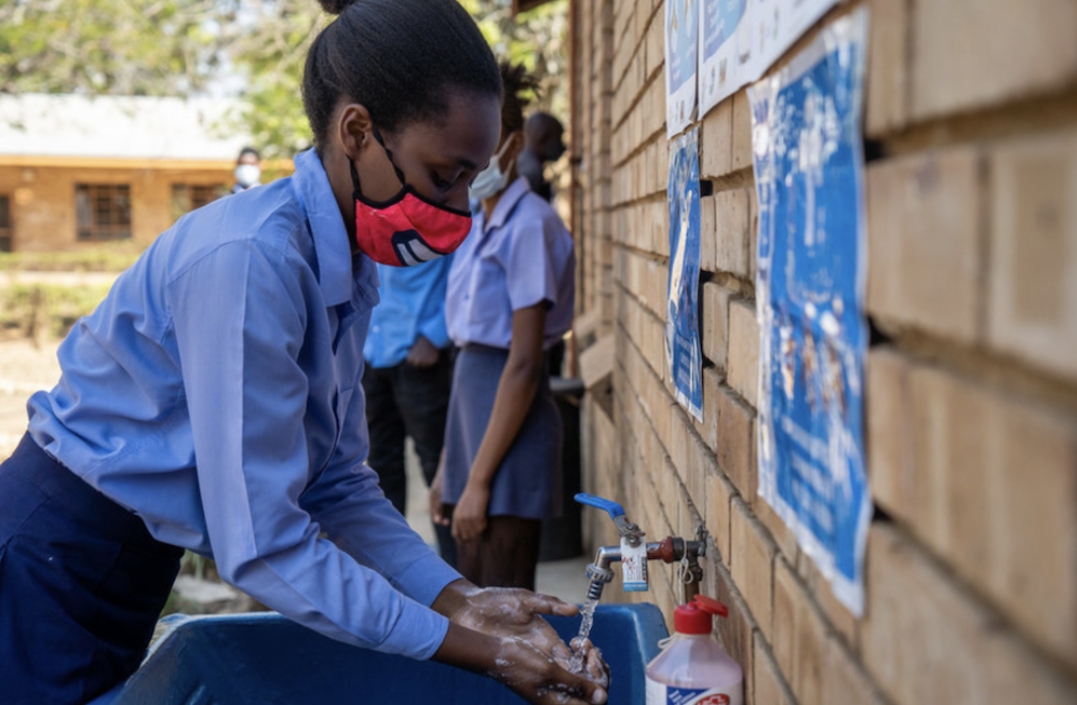
    Washing hands with soap and clean running water is particularly important before preparing or eating food, after using the toilet, after handling raw meat or fish, and after activities that may contaminate the hands.

    The process should cover the palms, backs of the hands, spaces between fingers, fingertips, and thumbs. Hands should be rinsed and dried using a clean method.

    When soap and water are unavailable, an appropriate alcohol-based hand sanitiser can be useful in some situations. However, sanitiser does not replace handwashing when hands are visibly dirty or greasy.

    Keep Raw and Cooked Food Separate

    Raw meat, poultry, seafood, and unwashed produce may carry microorganisms. If their juices come into contact with cooked food, cutting boards, knives, or plates, contamination can occur.

    Using separate utensils for raw and ready-to-eat foods can reduce this risk. Surfaces and equipment should be cleaned properly after handling raw ingredients.

    Food should also be cooked thoroughly. Appearance alone is not always a reliable way to determine whether every part of a meal has reached a safe temperature, so appropriate food-safety guidance should be followed when preparing foods that require careful cooking.

    Using a dirty hand to hold food
    Unhygienic practice

    Store Food Properly

    Leaving cooked food uncovered for long periods, storing perishable items without adequate refrigeration, or repeatedly warming and cooling food can increase the risk of contamination and spoilage.

    Students should pay attention to storage instructions, refrigerator conditions, and how long prepared food has been left at room temperature. Food that has an unusual smell or appearance should not be tasted to determine whether it is safe. Equally, food can contain harmful microorganisms even when it looks and smells normal.

    Clean water is also important for washing ingredients, preparing meals, and cleaning kitchen equipment.

    Choosing Food From Vendors

    Students who purchase meals outside the home can observe whether vendors keep food covered, use clean serving utensils, protect ingredients from dust and insects, and handle money separately from ready-to-eat food where possible.

    The cleanliness of a serving area can provide useful information, but a brief visual inspection cannot guarantee that food is safe. Food handling, water quality, storage temperatures, and cooking practices also matter.

    Where customers observe a serious hygiene concern, they can raise it respectfully with the vendor or report it through appropriate public health channels.

    Shared Responsibility

    Food safety is not only the responsibility of food vendors. Students who cook in shared accommodation should clean surfaces, store ingredients correctly, dispose of waste safely, and avoid leaving dirty utensils for long periods.

    Roommates can agree on simple kitchen rules to prevent disputes and reduce risks. Institutions can also support food safety through inspections, reliable water access, sanitation facilities, and clear guidance for food sellers.

    Safe food handling often depends on small decisions repeated consistently. Washing hands, separating raw and cooked foods, cooking meals properly, and storing food safely can reduce avoidable risks.

    These habits cannot eliminate every food-related hazard, but they provide an important foundation for healthier homes, hostels, cafeterias, and communities.


  • Student Stress: Recognising When Academic Pressure Becomes Too Much

    Student Stress: Recognising When Academic Pressure Becomes Too Much

    By The Public Lens Health Desk

    Academic responsibilities, financial concerns, relationships, and uncertainty about the future can place considerable pressure on students. Recognising the signs of overwhelming stress is an important step towards seeking appropriate support.

    University life can offer opportunities for learning, friendship, independence, and professional development. It can also place students under considerable pressure. Lectures, assignments, examinations, group projects, financial responsibilities, and family expectations may compete for the same limited time and resources.

    Some students also combine their studies with paid work, business activities, or responsibilities at home. When several demands occur at once, keeping up with academic work can become difficult.

    Stress is a normal response to challenging situations, but persistent or overwhelming stress should not be ignored. Students need to understand how pressure can affect their daily lives and where they can seek help when necessary.

    How Academic Pressure Builds

    Stress does not always come from one major event. It may develop gradually as deadlines accumulate, expenses increase, or a student falls behind in several courses.

    A student who misses an assignment may spend more time worrying about the consequences than planning how to complete the next task. That delay can make the workload feel even larger. Poor sleep may then affect concentration, making it harder to study effectively.

    Financial uncertainty can add another layer of pressure. A student who is worried about transport, accommodation, food, or data costs may find it difficult to focus fully on lectures and assignments.

    These experiences vary from person to person. What one student finds manageable may be overwhelming for another.

    Signs That Stress May Be Affecting Daily Life

    Students may notice changes in sleep, appetite, concentration, motivation, or social behaviour. Some may become unusually irritable, withdraw from friends, or struggle to complete tasks that were previously manageable.

    Others may experience persistent worry or feel unable to organise their responsibilities. Physical symptoms can also occur, although such symptoms may have causes unrelated to stress and should not automatically be attributed to academic pressure.

    No single sign proves that someone has a mental health condition. The important issue is whether the difficulties persist, become severe, or interfere with normal daily activities.

    Practical Ways to Manage Academic Demands

    One useful step is to make the workload visible. Students can list deadlines, break large assignments into smaller tasks, and identify which activities require immediate attention.

    A project due in two weeks, for example, can be divided into research, outlining, drafting, editing, and submission. Completing smaller stages may make the task feel more manageable than waiting until the deadline approaches.

    Students should also avoid assuming that every activity deserves equal attention at the same time. A realistic schedule should include rest, meals, sleep, movement, and time for essential personal responsibilities.

    Talking to a trusted friend, lecturer, adviser, or family member may help a student identify options that are difficult to see alone. Where the institution provides counselling or student support services, students can seek information about how to access them.

    When Professional Support Is Needed

    If stress becomes persistent, seriously affects daily functioning, or creates a feeling that life is no longer manageable, seeking professional help is important. A qualified health professional or counsellor can help assess the situation and discuss appropriate support.

    Students should avoid dismissing another person’s difficulties as laziness or a lack of discipline. They should also avoid diagnosing friends based on a few observed behaviours.

    If someone appears to be in immediate danger or expresses an intention to harm themselves, seek urgent assistance from local emergency services or an appropriate crisis-support provider.

    Academic success involves more than completing assignments and passing examinations. Students also need to maintain their wellbeing and recognise when their responsibilities are becoming difficult to manage.

  • Why Routine Health Checks Matter Even When You Feel Well

    Why Routine Health Checks Matter Even When You Feel Well

    By The Public Lens Health Desk

    Feeling healthy does not always mean that every aspect of your health has been assessed. Appropriate routine checks can help identify certain risks early and guide decisions about prevention and care.

    Many people seek medical attention only when they feel unwell. A persistent headache, fever, injury, or other noticeable symptom may prompt a visit to a health facility, while periods without symptoms are often treated as proof that everything is fine.

    However, some health conditions may develop without obvious early signs. Routine health checks can provide an opportunity to assess selected aspects of health, discuss risk factors, review preventive care, and seek advice before a problem becomes more difficult to manage.

    This does not mean that everyone needs every available medical test. The appropriate checks depend on factors such as age, personal and family history, existing risks, symptoms, and professional guidance.

    What a Routine Health Check Can Involve

    A health assessment may include a discussion of medical history, current concerns, lifestyle, and family health history. Depending on the person’s circumstances, a health professional may assess blood pressure, discuss vaccination, review medication, or recommend specific screening tests.

    Some checks are appropriate at particular ages or for people with certain risk factors. Others may be unnecessary for a person with a different health profile.

    The purpose is to identify relevant risks and determine whether further assessment or preventive action is needed, rather than to order every possible test.

    an infographic showing a woman having a health check up, highlighting the importance of early detection
    A woman undergoing a health checkup

    Why Early Assessment Can Help

    When a health issue is identified early, there may be more opportunities to manage it effectively. A person who learns that their blood pressure is consistently elevated, for example, can discuss the result with a qualified professional and receive guidance on appropriate follow-up.

    Screening and testing can also have limitations. A result may require confirmation, and some tests can produce false positives or false negatives. This is why health checks should be interpreted by qualified professionals rather than treated as isolated numbers that always provide a complete answer.

    A normal result also does not guarantee that a person will never develop a health problem.

    Barriers That Prevent People From Seeking Checks

    Cost, distance, long waiting times, limited awareness, and fear of receiving bad news may discourage people from attending health facilities. Students may also postpone care because of lectures, examinations, transport expenses, or uncertainty about where to go.

    These barriers can be addressed partly through better health information, accessible services, flexible scheduling, and clear communication about the purpose and cost of recommended checks.

    Universities and other institutions can help by informing students about available health services and explaining how to access them.

    Making Informed Decisions

    Before undergoing a screening test, people can ask what the test is intended to detect, whether it is appropriate for their circumstances, what the possible results mean, and whether further testing might be needed.

    They should also be cautious about online claims promising that a particular test can detect every disease or guarantee perfect health. No single routine examination can provide that level of certainty.

    Personal medical decisions should be based on appropriate professional advice and reliable evidence, not on fear-based advertising or social media pressure.

    Routine health checks can be useful when they are appropriate to a person’s circumstances and are followed by suitable advice. They provide an opportunity to discuss prevention, assess selected risks, and clarify concerns even when no symptoms are present.

    The goal is not to test for everything. It is to make informed decisions about the checks and preventive measures that are likely to be useful for the individual.

  • Health Information on Social Media: What Should You Believe?

    Health Information on Social Media: What Should You Believe?

     By The Public Lens Health Desk

    Social media can make health information easier to access, but it also allows misleading claims to spread quickly. Readers need to assess sources, examine evidence, and recognise when professional medical advice is necessary.

    A health tip can reach thousands of people within minutes. A short video may explain a home remedy, a social media post may warn about a particular food, or a message in a group chat may claim that a common medicine is dangerous.

    Some online health content is produced by qualified professionals and reputable institutions. Other content is based on personal experience, commercial interests, misunderstanding, or deliberate misinformation.

    The challenge is that reliable and unreliable information may appear on the same platform, sometimes using similar language and presentation. Readers therefore need to examine the evidence behind a health claim instead of judging it by its popularity.

    Check Who Is Making the Claim

    Start by identifying the person or organisation responsible for the information. Does the source have relevant professional qualifications? Is the organisation recognised for providing evidence-based health information? Can readers find information about the source’s expertise and accountability?

    A large following does not establish medical expertise. Likewise, a person who describes a personal recovery may be sharing a sincere experience without having enough evidence to recommend the same approach to everyone.

    Professional credentials matter, but readers should still examine the actual claim and the evidence supporting it.

    Look for Supporting Evidence

    Health claims should be assessed according to the quality of the available evidence. A post may cite a scientific study, but the study may not support the conclusion being promoted.

    Readers can ask whether the research involved people or was conducted only in laboratory settings, whether the sample was large enough to support the conclusion, and whether other studies have found similar results.

    A single study rarely settles every question. Scientific understanding can change as better evidence becomes available, so credible health guidance should reflect the strength and limitations of the research.

    Be Careful With Miracle Claims

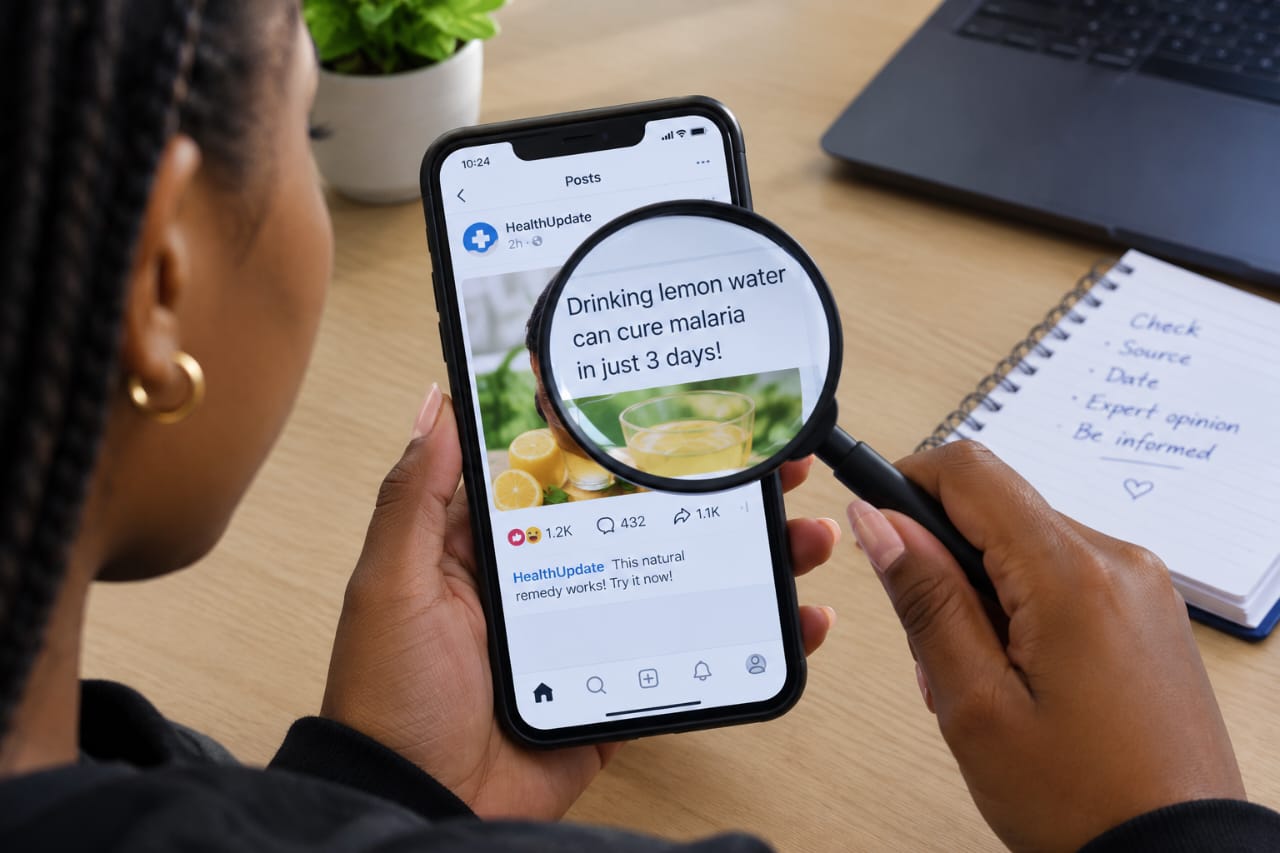
    Claims that a product cures many unrelated diseases, works instantly, or replaces all conventional treatment deserve particular scrutiny. Messages that discourage people from seeking medical care or instruct them to stop prescribed medication can create serious risks.

    A product being described as natural does not automatically mean it is safe. Natural substances can cause side effects, interact with medicines, or be unsuitable for certain people.

    People should discuss significant treatment decisions with a qualified health professional rather than relying on a viral post.

    Understand the Difference Between Experience and Evidence

    Personal stories can help people understand what living with a health condition feels like. They may also encourage people to seek support or ask useful questions.

    However, an individual’s experience does not prove that the same treatment will work for everyone. A person may improve after using a product for reasons unrelated to that product, and another person may respond differently.

    Responsible health communication distinguishes personal experience from evidence that supports a general recommendation.

    What to Do Before Sharing

    Before forwarding a health message, check its original source, date, evidence, and whether reputable health organisations provide consistent guidance. Be especially careful with advice about children, pregnancy, medication, serious symptoms, and infectious diseases.

    If a claim cannot be verified, do not present it as established medical fact. When a post appears dangerous or misleading, use the platform’s reporting tools where appropriate and direct people towards credible information.Social media can help people learn about health, but it cannot replace careful assessment or individual medical advice. Readers should question extraordinary claims, examine the source, and distinguish scientific evidence from personal stories.

    When health decisions could have serious consequences, checking with a qualified professional is safer than relying on a message simply because many people have shared it.

  • Making Physical Activity Part of a Busy Student’s Day

    Making Physical Activity Part of a Busy Student’s Day

    By The Public Lens Health Desk

     Lectures, assignments, commuting, and other responsibilities can leave students with little time for exercise. Simple changes to daily routines can create more opportunities for movement without requiring an elaborate fitness programme.

    University students spend considerable time attending lectures, reading, typing assignments, using phones, and working on computers. Some also spend long periods commuting or sitting in shops and offices where they work to support themselves.

    These activities can make daily schedules demanding and leave little time for planned exercise. Students may assume that physical activity requires a gym membership, specialised equipment, or several uninterrupted hours each week.

    However, movement can be included in ordinary routines. The most useful approach is to identify realistic opportunities, begin at a manageable level, and build consistency over time.

    Why Movement Matters

    Regular physical activity supports general health and can contribute to cardiovascular fitness, muscle strength, mobility, and psychological wellbeing. It can also help people develop routines that balance periods of sitting with opportunities to move.

    The amount and type of activity appropriate for an individual depend on factors such as age, health, ability, and personal circumstances. People with health concerns or physical limitations should seek suitable professional guidance before starting a demanding exercise programme.

    The aim is not to compare students or create pressure to meet unrealistic fitness expectations. It is to recognise that movement is an important part of everyday wellbeing.

    s

    Find Opportunities in Existing Routines

    Students can look at their daily schedules and identify places where movement is practical. Someone who lives within a reasonable walking distance of a lecture venue may choose to walk when conditions are safe and time allows.

    Another student may use breaks between lectures to stand, stretch, or take a short walk. Students who study for long periods can set a reminder to interrupt sitting with brief movement breaks.

    Where stairs are safe and accessible, choosing them occasionally may provide another opportunity for activity. These small changes may not replace every form of structured exercise, but they can help reduce long periods of uninterrupted sitting.

    Make Use of Available Spaces

    Not every student has access to a gym or sports facility. Campuses may nevertheless have open spaces, walkways, courts, or areas suitable for simple activities.

    Walking with a friend, joining a recreational sports group, dancing, or following an appropriate home exercise routine may be possible without expensive equipment.

    Students should consider their surroundings, weather, personal safety, and access to water when planning outdoor activity. They should also respect campus rules and avoid activities that create risks for other people.

    Avoid the All-or-Nothing Approach

    One reason people abandon exercise plans is that they set goals that do not fit their circumstances. A student may plan to exercise for an hour every day, miss several sessions during examinations, and then conclude that the entire plan has failed.

    A more realistic approach allows for changes in workload. Shorter sessions, flexible scheduling, and gradual increases may be easier to maintain than a rigid programme.

    Rest is also important. Students should avoid treating pain, extreme exhaustion, or dizziness as signs that they must push harder. Unusual or concerning symptoms during activity should be taken seriously.

    Build a Supportive Routine

    Friends can encourage one another by arranging walks, joining recreational activities, or sharing realistic goals. However, exercise should not become a source of shame or competition.

    Institutions can support physical activity by maintaining safe walkways, providing accessible recreational spaces, and communicating opportunities for students to participate.

    A busy timetable does not automatically prevent physical activity. Students can begin by identifying small, safe opportunities to move during the day and choosing activities that fit their needs and resources.

    Consistency is more useful than a complicated plan that cannot be maintained. By making movement part of ordinary life, students can take a practical step towards supporting their general health.