By The Public Lens Politics Desk
Government projects are often announced with ambitious promises. Citizens can assess progress by examining project details, checking developments on the ground, reviewing available records, and asking public officials specific questions.
During election campaigns and public announcements, government officials may promise new roads, renovated schools, improved healthcare facilities, water projects, markets, and other infrastructure. Such announcements can raise expectations, especially in communities where public services have been inadequate for years.
However, an announcement is not the same as a completed project. A project may be proposed, approved, funded, started, delayed, altered, or abandoned. Citizens need reliable information to understand which stage a project has reached.
Tracking government projects is therefore an important part of public accountability. It helps residents assess whether public commitments are being implemented and whether the results meet the needs of the community.
Begin With the Project Details
The first step is to establish exactly what the government promised to deliver. Citizens should identify the project location, stated purpose, expected scope, responsible agency, announced timeline, and any publicly available cost information.
For example, an announcement that a road will be rehabilitated does not explain whether the work covers the entire road or only a section. It may not specify whether drainage, pedestrian facilities, or other improvements are included.
Clear project details provide a basis for assessing progress. Without them, discussions can become vague and different people may be referring to different expectations.
Compare the Promise With the Situation on the Ground
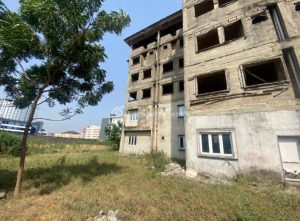
Residents can observe visible developments and document them over time. Photographs, dated videos, and written notes may help establish whether work has started, whether equipment is present, or whether a site appears inactive.
However, a photograph alone may not explain the full situation. Construction work can pause for legitimate reasons, and visible activity does not automatically mean that a project is progressing according to its approved schedule.
Journalists and community groups should therefore combine observations with documentary evidence and requests for explanations from the responsible authorities.
Examine Available Public Records
Depending on the jurisdiction and the type of project, useful records may include budget documents, procurement notices, contract information, official project updates, audit reports, and statements from relevant public agencies.
These documents can help answer questions about the project’s approved scope, funding arrangements, contractor, timeline, and implementation status.
Citizens should be careful when interpreting financial records. A budget allocation, for example, does not necessarily mean that the full amount has been released or spent. Similarly, a payment record does not by itself establish that work was completed satisfactorily.
Understanding what each document actually demonstrates is essential.
Ask Specific Questions
General complaints may attract attention, but specific questions are more useful for accountability. Citizens can ask which agency is responsible, what work has been completed, why the project has been delayed, and when the next stage is expected to begin.
Where public officials respond, their explanations should be recorded accurately. If an authority does not respond, journalists should document their attempts to obtain a response and avoid inventing reasons for the silence.
Contractors and other relevant stakeholders may also have information that helps explain delays or disputes.
Why Community Participation Matters
Residents often have knowledge of local conditions that may not be obvious from official documents. They may know when work stopped, which areas remain inaccessible, or whether the project addresses the original problem.
Their observations can guide further investigation. However, personal accounts should be checked against other evidence before being used to support serious allegation.
Monitoring public projects is not simply an exercise in criticising government. It is a way to establish whether public commitments are being fulfilled and whether public resources are producing the intended results.
Citizens who combine observation, records, clear questions, and fair reporting can make project discussions more factual and more useful to their communities.