
By The Public Lens Education Desk
Digital learning can expand access to educational materials, but students without reliable devices, electricity, or internet access may struggle to participate fully. Institutions need to consider these differences when planning technology-based learning.
Digital technology has changed how students access lecture materials, submit assignments, conduct research, communicate with lecturers, and collaborate on projects. Online platforms can make learning resources available beyond the classroom and allow students to review materials at different times.
However, access to digital learning is not equal. Some students own laptops, have reliable internet connections, and can study in comfortable environments. Others depend on smartphones, shared devices, public computer facilities, or intermittent mobile data.
These differences can affect how easily students participate in technology-based academic activities.
More Than an Internet Connection
The digital divide is not only about whether a student can connect to the internet. It also involves the type of device available, the reliability of electricity, the cost of data, digital skills, accessibility needs, and the quality of the learning environment.
A student using a phone may be able to read a short announcement but struggle to edit a lengthy document, manage several browser windows, or complete a task that requires specialist software.
Similarly, a student may have a laptop but lack a stable internet connection or sufficient power to use it consistently.
The Cost of Participation
Digital learning can introduce expenses that are not always visible in a course outline. Students may need to purchase data, charge devices, print materials, replace damaged equipment, or travel to a location with a reliable connection.
These costs can become more difficult when several courses require online activities at the same time.
Students who cannot participate consistently may appear disengaged even when the underlying problem is access rather than a lack of interest.
Designing More Accessible Learning Activities
Lecturers and institutions can consider access conditions when selecting digital tools and setting requirements. Where appropriate, materials can be provided in formats that are easier to download, read, and use on different devices.
Instructions should identify the essential task and explain how students can seek assistance when technical problems occur. When a project requires software or equipment that not all students can access, the institution should consider available alternatives or opportunities to use shared facilities.
This does not mean that every course must avoid demanding digital work. Students need to develop digital skills. The aim is to distinguish between the intended learning outcome and barriers that prevent students from demonstrating what they know.
Building Digital Skills
Access to a device does not automatically mean that a student can use it effectively. Students may need guidance on file management, online research, document formatting, digital safety, collaboration tools, and responsible use of online information.
Practical instruction can help students use available technology more productively and prepare for work environments where digital competence is expected.
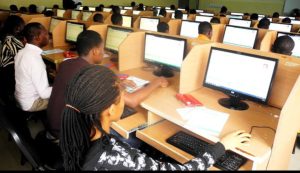
Institutions can also provide orientation, technical support, and access to computer laboratories or other learning facilities.
Shared Responsibility
Students should communicate genuine access difficulties early rather than waiting until a deadline has passed. Where possible, they can explore campus facilities, coordinate group work responsibly, or download materials when a reliable connection is available.
However, students should not be expected to solve every structural problem individually. Institutions, education authorities, service providers, and other stakeholders all influence the availability and affordability of digital learning resources.
Digital education can expand learning opportunities, but its benefits depend partly on whether students can access the tools required to participate. Reliable devices, affordable connectivity, electricity, digital skills, and appropriate course design all matter.
Recognising these differences can help institutions make technology-based learning more effective and reduce the risk of excluding students because of circumstances beyond their control.