By The Public Lens Society Desk
Poor waste disposal can affect drainage, sanitation, public spaces, and community health. Residents have responsibilities, but effective waste management also depends on reliable collection systems, suitable infrastructure, and public accountability.
Waste is produced in homes, markets, offices, schools, restaurants, and other public and private spaces. When it is handled properly, it can be collected, treated, recycled, or disposed of through suitable systems. When waste is dumped indiscriminately or left uncollected, it can create problems for the surrounding community.
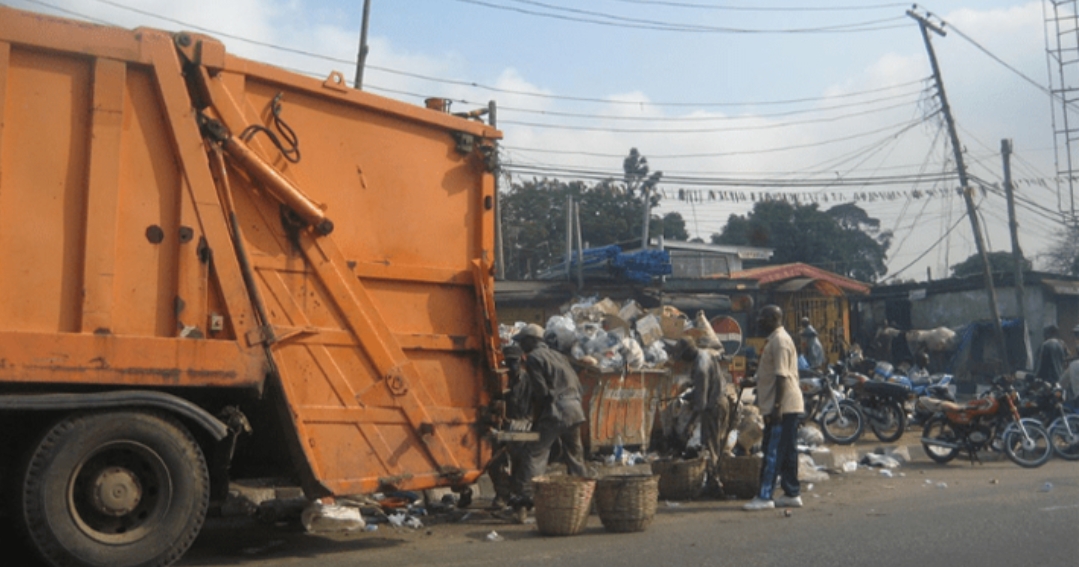
Blocked drains, unpleasant surroundings, scattered plastics, and overflowing waste points are visible signs of poor waste management. These problems can affect how people use public spaces and may contribute to environmental and public health risks.
Addressing waste disposal requires cooperation between residents, businesses, waste collectors, local authorities, and other relevant institutions.
Everyday Practices Make a Difference
Residents can reduce avoidable problems by placing waste in appropriate containers, using authorised collection arrangements, and avoiding dumping rubbish in drains, waterways, roadsides, or vacant plots.
Businesses and market traders also need suitable ways to store waste until collection. Food waste, packaging, and other discarded materials should not be left where they can attract pests or obstruct movement.
Where recycling services are available, separating suitable materials may help them enter a different waste-management stream. However, residents need clear information about which materials are accepted and how they should be prepared.

Individual Responsibility Is Not Enough
Even residents who dispose of waste responsibly may experience problems when collection services are unreliable or disposal facilities are inadequate. A community may have too few collection points, irregular pickup schedules, or no accessible system for certain types of waste.
Public authorities and service providers therefore have important responsibilities. These may include planning collection routes, maintaining appropriate facilities, communicating schedules, enforcing relevant regulations, and responding to complaints.
Public education should explain what residents can do, but it should not be used to hide failures in essential services.
The Connection With Drainage and Flooding
Plastic bags, food containers, and other discarded materials can contribute to blocked drainage when they accumulate in waterways and gutters. Blockages may worsen local flooding, although flooding can also result from heavy rainfall, inadequate drainage design, development patterns, and other factors.
Journalists should avoid claiming that waste alone caused a particular flood without evidence. A proper investigation may require examining drainage conditions, rainfall, maintenance records, and the location of accumulated waste.
This distinction matters because an accurate explanation can help identify the measures needed to reduce future problems.
Community Action and Public Accountability
Residents can organise clean-up activities, report illegal dumping, and work with relevant authorities to identify problem areas. Community groups may also collect information about waste collection schedules and document repeated service failures.
Such activities are more useful when they are coordinated with the responsible agencies and supported by a plan for disposing of the collected material safely.
Clean-up campaigns should not be treated as permanent substitutes for reliable waste services. They can address immediate problems while also drawing attention to the need for sustained action.
Effective waste management requires both responsible public behaviour and functioning collection and disposal systems. Residents should avoid practices that create environmental problems, while authorities and service providers should ensure that suitable facilities and services are available.
A cleaner community depends on shared responsibility, practical infrastructure, consistent maintenance, and clear accountability.