By The Public Lens Health Desk
Safe food handling and proper handwashing can reduce the spread of harmful germs. These everyday practices are especially important in shared accommodation, student cafeterias, markets, and other places where many people handle food.
Food is a daily necessity, but the way it is prepared, stored, handled, and served can affect people’s health. Contaminated food and unsafe water can expose people to harmful microorganisms and contribute to foodborne illness.
For students living in hostels or shared apartments, food safety may require additional attention. Several people may use the same kitchen, cooking equipment, storage areas, and water sources. Some students also buy prepared meals from restaurants, roadside vendors, and campus food outlets.
Although food safety depends on many factors, basic hygiene practices can help reduce avoidable risks.
Why Handwashing Matters
Hands come into contact with many surfaces throughout the day, including phones, door handles, money, desks, and public transport equipment. Touching food with contaminated hands can transfer germs to meals and utensils.
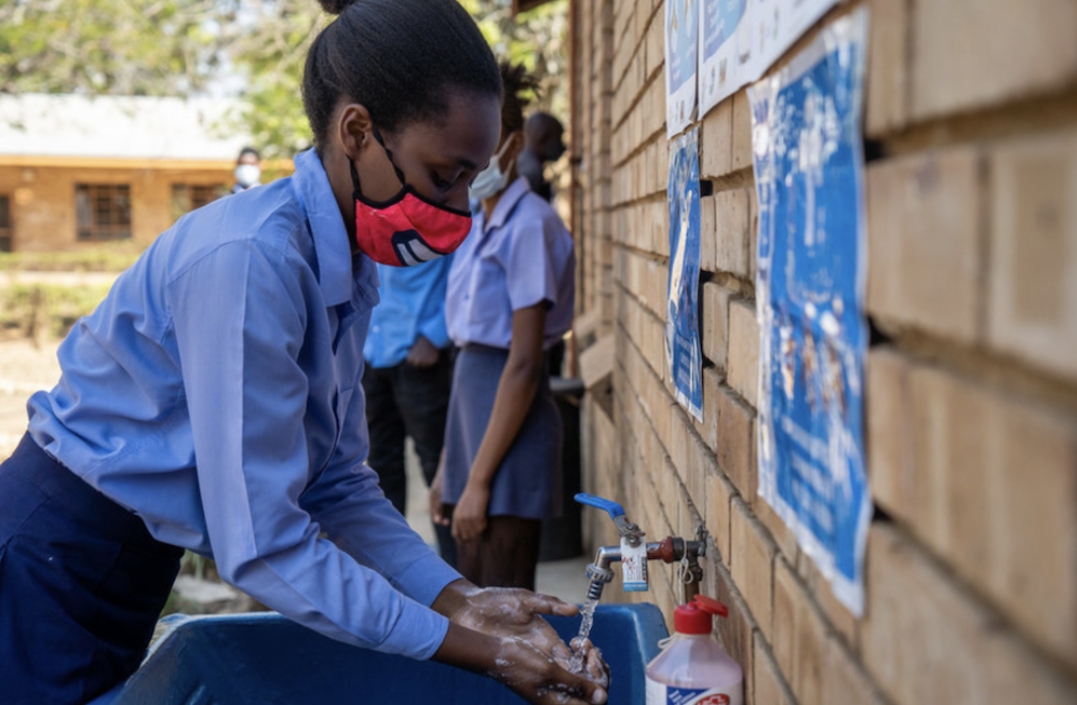
Washing hands with soap and clean running water is particularly important before preparing or eating food, after using the toilet, after handling raw meat or fish, and after activities that may contaminate the hands.
The process should cover the palms, backs of the hands, spaces between fingers, fingertips, and thumbs. Hands should be rinsed and dried using a clean method.
When soap and water are unavailable, an appropriate alcohol-based hand sanitiser can be useful in some situations. However, sanitiser does not replace handwashing when hands are visibly dirty or greasy.
Keep Raw and Cooked Food Separate
Raw meat, poultry, seafood, and unwashed produce may carry microorganisms. If their juices come into contact with cooked food, cutting boards, knives, or plates, contamination can occur.
Using separate utensils for raw and ready-to-eat foods can reduce this risk. Surfaces and equipment should be cleaned properly after handling raw ingredients.
Food should also be cooked thoroughly. Appearance alone is not always a reliable way to determine whether every part of a meal has reached a safe temperature, so appropriate food-safety guidance should be followed when preparing foods that require careful cooking.
Store Food Properly
Leaving cooked food uncovered for long periods, storing perishable items without adequate refrigeration, or repeatedly warming and cooling food can increase the risk of contamination and spoilage.
Students should pay attention to storage instructions, refrigerator conditions, and how long prepared food has been left at room temperature. Food that has an unusual smell or appearance should not be tasted to determine whether it is safe. Equally, food can contain harmful microorganisms even when it looks and smells normal.
Clean water is also important for washing ingredients, preparing meals, and cleaning kitchen equipment.
Choosing Food From Vendors
Students who purchase meals outside the home can observe whether vendors keep food covered, use clean serving utensils, protect ingredients from dust and insects, and handle money separately from ready-to-eat food where possible.
The cleanliness of a serving area can provide useful information, but a brief visual inspection cannot guarantee that food is safe. Food handling, water quality, storage temperatures, and cooking practices also matter.
Where customers observe a serious hygiene concern, they can raise it respectfully with the vendor or report it through appropriate public health channels.
Shared Responsibility
Food safety is not only the responsibility of food vendors. Students who cook in shared accommodation should clean surfaces, store ingredients correctly, dispose of waste safely, and avoid leaving dirty utensils for long periods.
Roommates can agree on simple kitchen rules to prevent disputes and reduce risks. Institutions can also support food safety through inspections, reliable water access, sanitation facilities, and clear guidance for food sellers.
Safe food handling often depends on small decisions repeated consistently. Washing hands, separating raw and cooked foods, cooking meals properly, and storing food safely can reduce avoidable risks.
These habits cannot eliminate every food-related hazard, but they provide an important foundation for healthier homes, hostels, cafeterias, and communities.