By The Public Lens Editorial Team
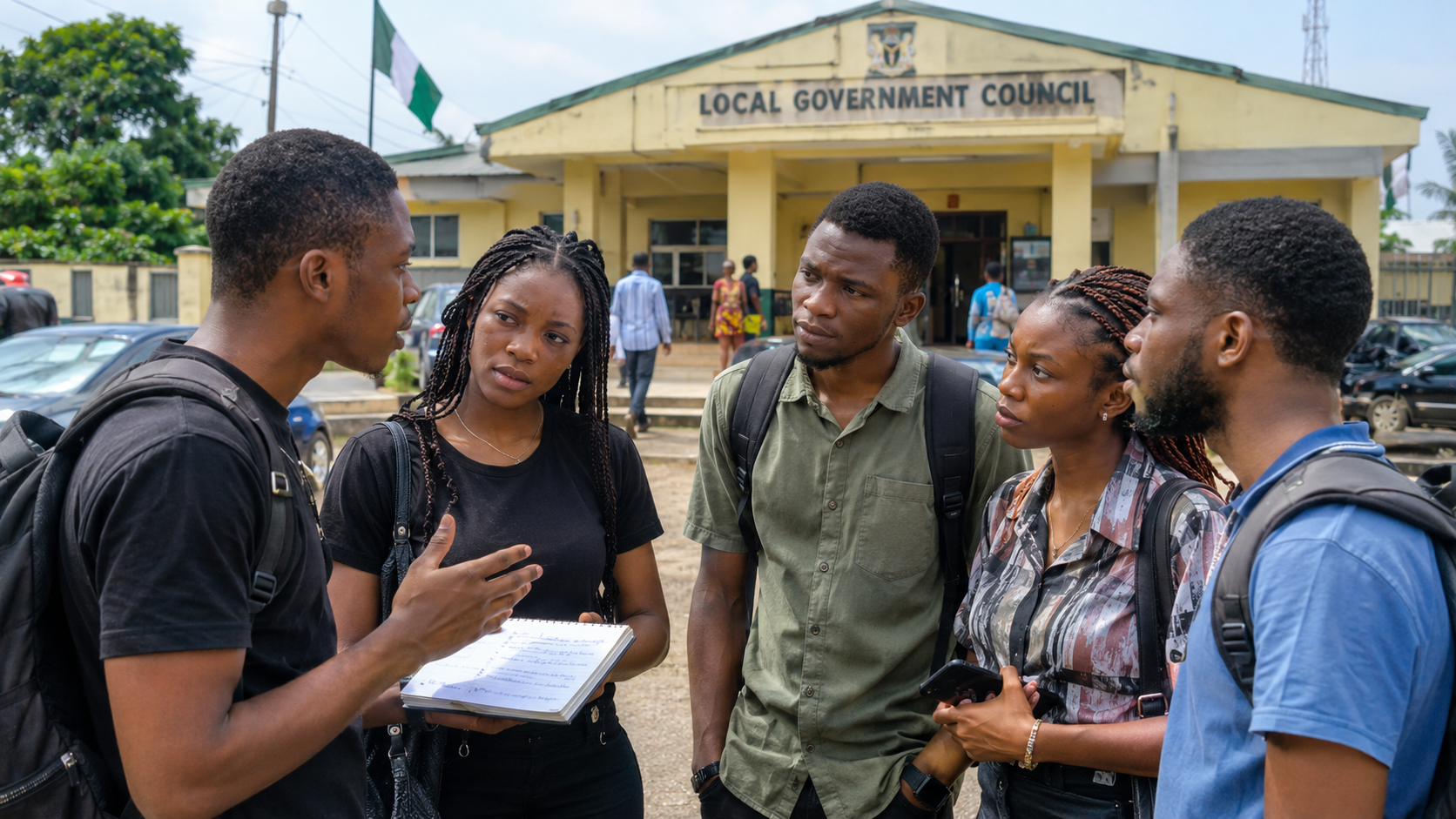
Decisions made by local governments affect roads, markets, sanitation, public health, and other aspects of daily life. Yet many young people pay more attention to national politics than to the government closest to their communities.
When political discussions begin, many young people immediately turn their attention to the President, governors, senators, and members of the House of Representatives. These positions attract public attention because their holders make major decisions and regularly feature in the news. However, another level of government often receives less attention than it deserves: local government.
Local governments are expected to address issues that affect people in their immediate communities. Depending on the country’s legal and administrative arrangements, their responsibilities may include aspects of local roads, markets, sanitation, primary healthcare, community facilities, and local development. These responsibilities make local government important to students, traders, artisans, parents, and other residents.
Understanding local government is therefore not only a concern for politicians or people interested in public administration. It is part of being an informed citizen.
How Local Government Affects Daily Life
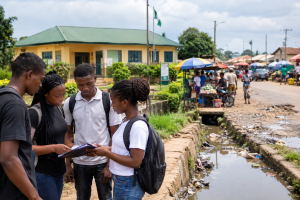
Consider a community where waste is collected irregularly, a public market has poor drainage, or a road becomes difficult to use during the rainy season. Residents may complain about these problems without knowing which government institution is responsible for addressing them.
Some problems may fall within the responsibilities of local authorities, while others may require action from state or federal agencies. Knowing the difference helps citizens direct their complaints to the appropriate institutions instead of assuming that every public problem is the responsibility of the same government.
Local government decisions can also influence how public facilities are maintained, how community projects are prioritised, and how local needs are communicated to higher levels of government.
Why Young People Should Be Interested
Young people are not separate from the communities in which they live. Students depend on roads and transport systems to reach school. Young business owners depend on market conditions, public infrastructure, and local regulations. Families depend on public services that affect their health and safety.
Paying attention to local government can also help young people understand how public money is allocated and whether elected representatives are fulfilling their responsibilities.
Citizens can begin by identifying their local government area, learning the names and responsibilities of relevant elected officials, attending public meetings where possible, and following credible reports about local projects.
Moving Beyond Complaints
Complaining about poor public services may draw attention to a problem, but informed follow-up can make the complaint more useful. Residents can document the problem, establish when it began, identify the responsible authority, and ask what action has been taken.
Where public records are available, citizens and journalists can examine budgets, project announcements, expenditure records, and completion reports. They should also give the relevant authorities an opportunity to explain their decisions.
Democracy requires more than voting during general elections. It also requires citizens to pay attention to decisions made between elections. For young people, understanding local government is a practical way to connect political participation with the conditions they experience every day.
The first step is simple: know which institutions are responsible for the problems affecting your community, and learn how to hold them accountable through lawful and informed participation.