Tag: sanitation

  • Waste Disposal Is Everyone’s Business, but Public Services Matter

    Waste Disposal Is Everyone’s Business, but Public Services Matter

    By The Public Lens Society Desk

     Poor waste disposal can affect drainage, sanitation, public spaces, and community health. Residents have responsibilities, but effective waste management also depends on reliable collection systems, suitable infrastructure, and public accountability.

    Waste is produced in homes, markets, offices, schools, restaurants, and other public and private spaces. When it is handled properly, it can be collected, treated, recycled, or disposed of through suitable systems. When waste is dumped indiscriminately or left uncollected, it can create problems for the surrounding community.

    Blocked drains, unpleasant surroundings, scattered plastics, and overflowing waste points are visible signs of poor waste management. These problems can affect how people use public spaces and may contribute to environmental and public health risks.

    Addressing waste disposal requires cooperation between residents, businesses, waste collectors, local authorities, and other relevant institutions.

    Everyday Practices Make a Difference

    Residents can reduce avoidable problems by placing waste in appropriate containers, using authorised collection arrangements, and avoiding dumping rubbish in drains, waterways, roadsides, or vacant plots.

    Businesses and market traders also need suitable ways to store waste until collection. Food waste, packaging, and other discarded materials should not be left where they can attract pests or obstruct movement.

    Where recycling services are available, separating suitable materials may help them enter a different waste-management stream. However, residents need clear information about which materials are accepted and how they should be prepared.

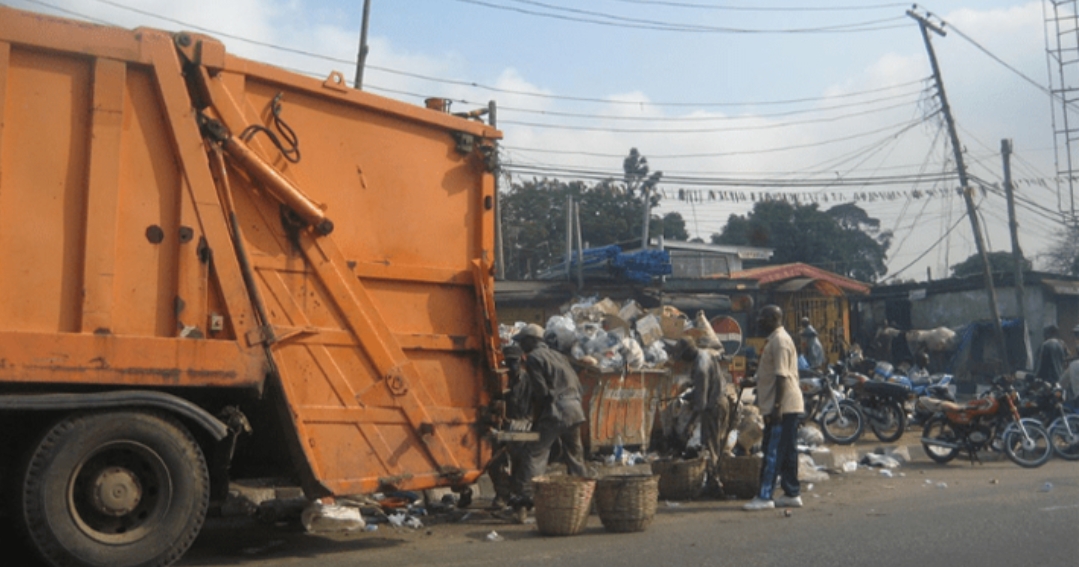
    A man disposing of a waste in a truck
    proper waste disposal

    Individual Responsibility Is Not Enough

    Even residents who dispose of waste responsibly may experience problems when collection services are unreliable or disposal facilities are inadequate. A community may have too few collection points, irregular pickup schedules, or no accessible system for certain types of waste.

    Public authorities and service providers therefore have important responsibilities. These may include planning collection routes, maintaining appropriate facilities, communicating schedules, enforcing relevant regulations, and responding to complaints.

    Public education should explain what residents can do, but it should not be used to hide failures in essential services.

    The Connection With Drainage and Flooding

    Plastic bags, food containers, and other discarded materials can contribute to blocked drainage when they accumulate in waterways and gutters. Blockages may worsen local flooding, although flooding can also result from heavy rainfall, inadequate drainage design, development patterns, and other factors.

    Journalists should avoid claiming that waste alone caused a particular flood without evidence. A proper investigation may require examining drainage conditions, rainfall, maintenance records, and the location of accumulated waste.

    This distinction matters because an accurate explanation can help identify the measures needed to reduce future problems.

    Community Action and Public Accountability

    Residents can organise clean-up activities, report illegal dumping, and work with relevant authorities to identify problem areas. Community groups may also collect information about waste collection schedules and document repeated service failures.

    Such activities are more useful when they are coordinated with the responsible agencies and supported by a plan for disposing of the collected material safely.

    Clean-up campaigns should not be treated as permanent substitutes for reliable waste services. They can address immediate problems while also drawing attention to the need for sustained action.

    Effective waste management requires both responsible public behaviour and functioning collection and disposal systems. Residents should avoid practices that create environmental problems, while authorities and service providers should ensure that suitable facilities and services are available.

    A cleaner community depends on shared responsibility, practical infrastructure, consistent maintenance, and clear accountability.

  •  Access to Clean Water: A Community Issue With Everyday Consequences

     Access to Clean Water: A Community Issue With Everyday Consequences

    By The Public Lens Society Desk

    Reliable access to safe water affects drinking, cooking, hygiene, sanitation, education, and household spending. Communities need both appropriate water infrastructure and effective measures to protect water quality.

    Water is essential for daily life. Households need it for drinking, preparing food, washing, cleaning, and maintaining personal hygiene. Schools, health facilities, markets, and businesses also depend on reliable water supplies to operate effectively.

    Yet access to water can vary significantly between communities. Some households receive water through reliable piped systems, while others depend on wells, boreholes, water vendors, public taps, or other sources.

    The availability of a water source does not automatically establish that the water is safe to drink. Communities need to consider both the reliability of supply and the quality of the water being used.

    The Cost of Unreliable Supply

    When water is not available at home, households may spend time and money obtaining it elsewhere. People may need to buy water, travel to collection points, or store supplies for periods when access becomes difficult.

    These activities can affect school attendance, work schedules, household budgets, and personal safety. The burden may be especially significant for families with limited income or people who have mobility difficulties.

    Water shortages can also create problems for businesses and institutions that require consistent supplies for cooking, cleaning, sanitation, and other essential activities.

    Water Quality and Safe Handling

    Water that looks clear is not necessarily free from harmful contamination. Its safety may depend on the source, treatment, storage conditions, and the way it is transported.

    Where the safety of a water supply is uncertain, people should follow guidance from appropriate public health or water authorities. Recommended treatment methods depend on the type of contamination and local conditions, so assumptions about safety should be avoided.

    Storage containers should be kept clean and protected from contamination. Water should be handled in ways that reduce the risk of introducing dirt or microorganisms after collection or treatment.

    The Importance of Infrastructure

    Reliable access to safe water requires more than identifying a source. Systems may need treatment facilities, distribution pipes, pumps, electricity, maintenance, water-quality monitoring, and arrangements for repairs.

    A borehole that stops functioning may leave residents without the service they depend on. A piped supply may become unreliable if equipment is damaged or maintenance is delayed.

    Authorities, service providers, property managers, and community organisations have different responsibilities depending on how a water system is managed. Residents need clear information about where to report faults and how repairs will be handled.

    Water, Sanitation, and Public Health

    Water access is closely connected to sanitation and hygiene. Schools and public facilities may struggle to maintain clean toilets and washing areas when supplies are inadequate.

    Health risks can increase when people must rely on unsafe sources or cannot maintain appropriate hygiene. However, the specific cause of a water-related illness should be established through suitable evidence rather than assumed from the presence of a shortage alone.

    Journalists investigating water concerns should examine available test results, consult relevant professionals, document residents’ experiences, and seek responses from responsible institutions.

    Community Participation

    Residents can help identify supply problems, report damaged facilities, and participate in discussions about water management. Community monitoring may help authorities understand where shortages occur and which groups are most affected.

    At the same time, community effort should not be treated as a replacement for the technical expertise, funding, and maintenance required to operate water systems safely.

    Access to clean water influences health, education, household spending, and the functioning of communities. Reliable services require suitable infrastructure, water-quality protection, maintenance, and clear accountability.

    Understanding water access as a shared public concern can help residents ask more useful questions and encourage solutions that address both the availability and safety of the supply.