By The Public Lens Campus Desk
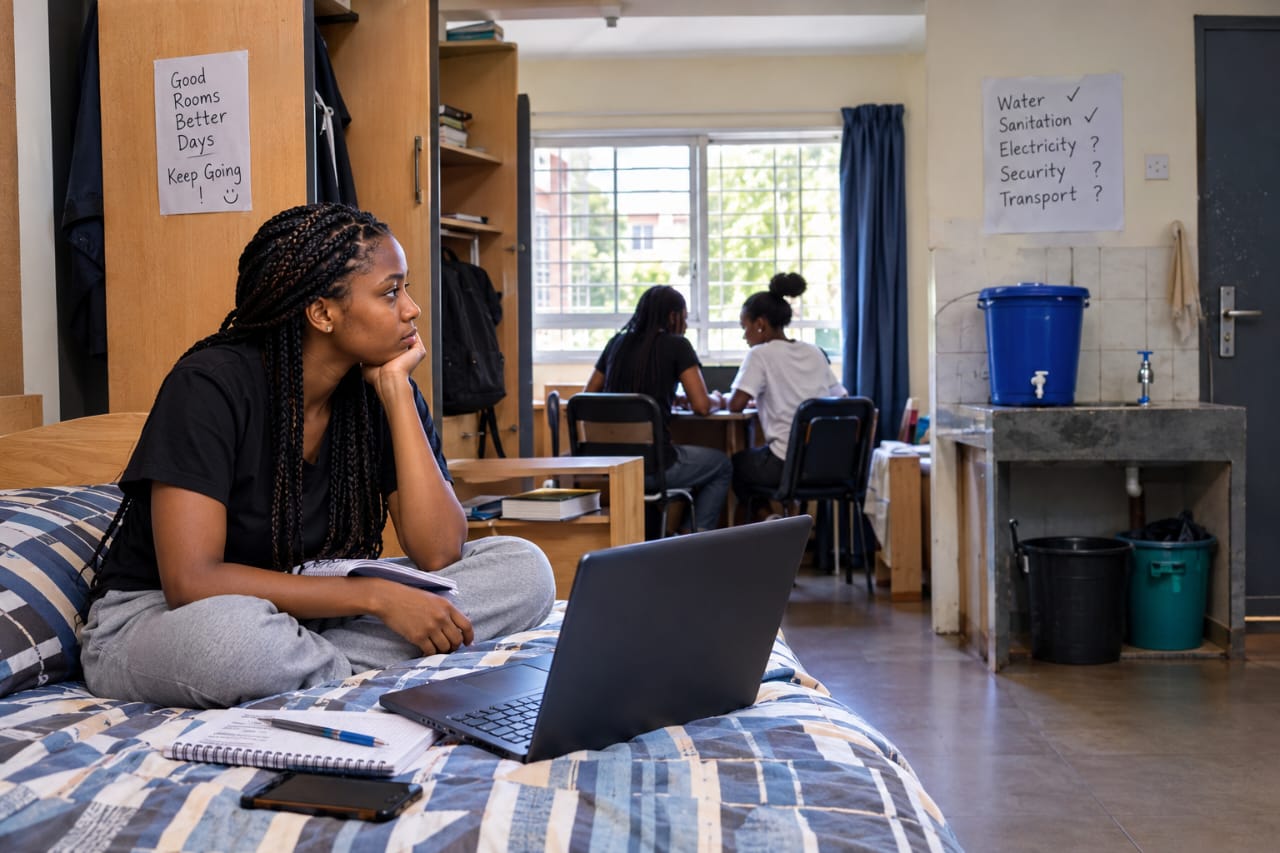
Student accommodation affects more than where students sleep. Conditions involving water, sanitation, security, noise, electricity, and transport can influence study routines, health, and general campus experience.
For many university students, finding suitable accommodation is one of the major practical decisions of campus life. Some live in university-managed hostels, while others rent rooms or apartments in nearby communities. Each arrangement can offer advantages, but students may also face difficulties that affect their daily routines.
Accommodation concerns are sometimes reduced to the cost of rent or the distance from campus. In practice, students also need to consider access to water, sanitation, electricity, transport, security, study space, and the rules governing the property.
Understanding these issues can help students make informed choices and help institutions recognise how living conditions affect student welfare.
The Cost of Living Near Campus
Accommodation costs may include rent, deposits, agency fees, utility charges, maintenance contributions, and transport expenses. A room advertised at a low price may become more expensive when these additional costs are considered.
Students should ask for a clear breakdown of payments before making commitments. They should also clarify the duration of the tenancy, the conditions for renewing it, and the circumstances under which money may be refunded.
Where possible, students should inspect the accommodation and confirm the identity and authority of the person collecting payment. Written agreements and payment records can help prevent later disputes.
Water, Sanitation, and Electricity
Access to reliable water affects drinking, cooking, bathing, cleaning, and other basic activities. Poor sanitation can create health concerns, while unreliable electricity may interfere with studying, charging devices, and carrying out ordinary household tasks.
Students considering accommodation should ask how water is supplied, whether shared facilities are maintained, how electricity costs are handled, and who is responsible for repairs.
Conditions may vary between buildings and change over time. Students should therefore avoid relying only on photographs or descriptions in an online advertisement.
Security and Personal Safety
The safety of the building and its surroundings should be part of the decision. Relevant considerations may include access control, locks, lighting, emergency arrangements, and the general condition of entrances and shared areas.
Students should also consider transport routes and how they will travel during early mornings or late evenings. No single feature guarantees safety, so it is useful to assess the overall environment and seek reliable information from current residents.
Accommodation providers and institutions should communicate safety rules clearly and respond appropriately when residents report serious concerns.
 Shared Living and Personal Boundaries
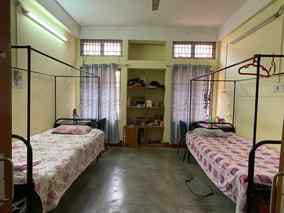
Living with roommates can reduce expenses and provide companionship, but it may also create disagreements over cleaning, visitors, noise, shared purchases, and the use of common facilities.
Agreeing on basic expectations early can prevent some conflicts. Roommates can establish arrangements for cleaning, paying shared bills, handling visitors, and protecting personal belongings.
Students should also respect the privacy and property of others. Where disagreements cannot be resolved directly, they may need to seek help from a landlord, hostel manager, student affairs office, or another appropriate authority.
The Link Between Accommodation and Learning
A student who lacks a quiet place to study, reliable transport, or adequate rest may find it harder to maintain an academic routine. Long journeys can reduce the time available for reading and assignments, while repeated disruptions may affect concentration.
This does not mean that students living in difficult conditions cannot succeed. It means that accommodation is part of the wider environment in which learning takes place.
Universities, landlords, local authorities, and student representatives each have roles to play within their responsibilities.
Student accommodation should be assessed in terms of affordability, safety, essential services, location, and the conditions of daily living. Looking beyond the advertised rent can help students avoid unexpected expenses and identify problems before committing to a property.
Better accommodation decisions can support a more stable student experience and make it easier to balance academic responsibilities with everyday life.
Leave a Reply