Category: Campus Chronicles

  • Beyond the Classroom: The Skills Students Gain From Campus Activities

    Beyond the Classroom: The Skills Students Gain From Campus Activities

     By The Public Lens Campus Desk

    Student associations, campus media, volunteer groups, sports, and departmental activities can provide opportunities to practise communication, teamwork, planning, and leadership alongside academic learning.

    University education is often measured through lectures, assignments, examinations, and final results. These activities are central to academic development, but students also learn through experiences outside the classroom.

    Campus activities can expose students to responsibilities that are difficult to practise through lectures alone. Organising an event, editing a publication, managing a small budget, coordinating volunteers, or resolving a disagreement within a group can require students to apply knowledge under real conditions.

    These experiences do not automatically produce competent professionals. Their value depends on the responsibilities students undertake, the quality of their participation, and what they learn from the process.

    Communication Through Participation

    Many campus activities require students to communicate with people who have different expectations and levels of experience. A student organising a seminar may need to contact speakers, prepare announcements, coordinate with venue managers, and respond to questions from participants.

    These tasks require more than speaking confidently. They involve listening, writing clearly, confirming details, and adapting messages to different audiences.

    Students involved in campus journalism may develop additional skills in interviewing, research, editing, fact-checking, and presenting information. Those experiences can be useful beyond journalism because many professions depend on accurate and effective communication.

    • A group of students attending an organised event on a university campus.
    •Training sessions help students build leadership and teamwork skills.

    Teamwork and Responsibility

    Group activities create opportunities to practise cooperation, but they can also expose common problems. Some members may complete most of the work while others contribute very little. Instructions may be misunderstood, deadlines may be missed, and disagreements may arise over decisions.

    Students can learn from these difficulties by assigning responsibilities clearly, setting realistic deadlines, documenting decisions, and communicating problems early.

    Working in a team also requires members to accept responsibility for their own contributions rather than assuming that another person will always correct mistakes.

    Planning and Problem-Solving

    Campus events rarely proceed exactly as planned. A speaker may arrive late, equipment may fail, attendance may be lower than expected, or an activity may need to be moved because of an unexpected development.

    Students who help organise such activities can learn to identify risks, prepare alternatives, and make decisions under pressure.

    These experiences are particularly useful when students take time afterwards to evaluate what worked, what failed, and what should change next time.

    The Importance of Balance

    Participation in campus activities should complement academic work rather than make it impossible. Students who accept too many responsibilities may struggle to attend lectures, complete assignments, or maintain their wellbeing.

    Choosing a manageable number of activities allows students to contribute meaningfully and develop skills without constantly missing other obligations.

    Students should also be careful not to judge their progress only by the number of positions they hold. Taking responsibility for one project and completing it well may provide more learning than joining many groups without active participation.

    Making Experience Visible

    Students can keep records of projects they have completed, responsibilities they have handled, and skills they have developed. These records may later help them explain their experience during internships, job applications, scholarship applications, or professional interviews.

    The emphasis should be on actual contributions. A title alone does not show what someone can do, but a clear explanation of a completed project can provide useful evidence.

    Campus activities can extend learning beyond the classroom by giving students opportunities to practise communication, leadership, teamwork, and problem-solving.

    The greatest benefit comes from active participation, reflection, and responsible completion of tasks. Students should therefore choose opportunities that align with their interests, contribute meaningfully, and leave room for their academic responsibilities.

  • The Challenge of Balancing Lectures, Business, and Personal Life

    The Challenge of Balancing Lectures, Business, and Personal Life

     By The Public Lens Campus Desk

     Many students combine academic work with small businesses, paid employment, family responsibilities, and personal commitments. Balancing these demands requires realistic planning and an understanding of priorities.

    For some university students, attending lectures and completing assignments are only part of the day. Others sell products online, provide services, work part-time, help with family businesses, or take on responsibilities at home.

    These activities may be necessary to meet expenses, develop professional skills, or support family members. They can also create difficulties when business demands compete with academic deadlines and personal needs.

    The challenge is not simply about finding more hours in the day. It is about deciding how available time should be used and recognising when the total workload has become unrealistic.

    Why Students Take On Multiple Responsibilities

    The reasons vary. Some students need additional income for transport, accommodation, food, learning materials, or data. Others use business activities to gain experience and build a customer base before graduation.

    A student who designs graphics, for example, may receive client requests during the same period that several lecturers assign projects. Another student who sells clothing online may need to respond to customers, arrange deliveries, and manage payments while preparing for examinations.

    These responsibilities can teach valuable skills, but they can also create competing deadlines.

    •Managing time is the hardest part of juggling school and business.Plan Around Fixed Commitments

    A practical starting point is to identify activities that cannot easily be moved. These may include scheduled lectures, examinations, work shifts, important family obligations, and confirmed business appointments.

    Students can then schedule flexible tasks around these commitments. Large assignments should be broken into smaller stages, with time reserved for research, drafting, editing, and submission.

    A plan should also account for transport, meals, rest, and unexpected delays. A timetable that assumes every minute will be available for productive work is unlikely to remain realistic for long.

    Learn to Set Boundaries

    Business owners and freelancers may feel pressure to respond to every customer immediately. However, constant availability can interfere with lectures, study time, and sleep.

    Students can communicate their working hours, set realistic delivery timelines, and avoid accepting work they cannot complete properly. Where possible, they should inform customers early if a deadline needs to be adjusted.

    Learning to decline unsuitable requests is part of managing a small business responsibly. It can also protect the quality of the work and the student’s academic commitments.

    Avoid Confusing Activity With Progress

    A student may spend the entire day answering messages, attending meetings, and moving between tasks without completing the most important work.

    Prioritising outcomes can help. Instead of measuring a day only by how busy it felt, the student can identify a small number of tasks that genuinely need to be completed.

    This may involve finishing an assignment section, preparing for a test, delivering an order, or resolving a specific business problem.

    Protect Rest and Personal Relationships

    Sleep, meals, recreation, and supportive relationships should not be treated as unnecessary activities that can always be sacrificed. Persistent exhaustion can make it harder to concentrate, communicate, and make sound decisions.

    Students should seek help when the workload becomes unmanageable. This may involve discussing academic difficulties with a lecturer, renegotiating business deadlines, or asking trusted people for practical support.

    Balancing lectures, business, and personal life requires more than motivation. Students need realistic schedules, clear priorities, boundaries, and an honest assessment of what they can manage.

    There will be periods when one responsibility requires more attention than another. The goal is to make those decisions deliberately rather than allowing every new demand to determine the entire day.

  • What Makes a Campus Event Worth Attending?

    What Makes a Campus Event Worth Attending?

     By The Public Lens Campus Desk

     Universities host seminars, workshops, public lectures, competitions, exhibitions, and social gatherings throughout the academic year. Students can make better use of these opportunities by considering their purpose, relevance, and likely value.

    Campus events provide opportunities to learn, meet people, exchange ideas, display talent, and participate in university life. Yet students sometimes ignore events that could benefit them or attend activities without understanding what they hope to gain.

    Busy schedules, transport costs, competing assignments, and limited information can influence attendance. Students may also become sceptical when event announcements repeatedly promise major benefits without explaining what participants will actually experience.

    A useful event should offer a clear purpose and a programme that gives participants a reason to attend.

    Clear Purpose and Useful Content

    A seminar on career development, for example, should provide more than a general instruction to work hard. Participants may benefit from practical information about preparing a portfolio, applying for internships, developing professional relationships, or responding to common workplace expectations.

    Similarly, a media workshop should explain what participants will practise, who will lead the session, and what they are expected to learn.

    Clear objectives help students decide whether the event is relevant to their academic interests, career plans, or personal development.

    The Importance of Organisation

    Even a valuable topic can lose its impact when an event is poorly organised. Inaccurate announcements, unclear venue information, repeated programme changes, long unexplained delays, and poor communication can discourage participants.

    Organisers should provide the event date, time, venue, registration requirements, programme outline, and any costs that participants need to know. If a change becomes necessary, they should communicate it promptly through the channels used for the original announcement.

    Good organisation also includes making appropriate arrangements for sound, seating, accessibility, and audience participation.

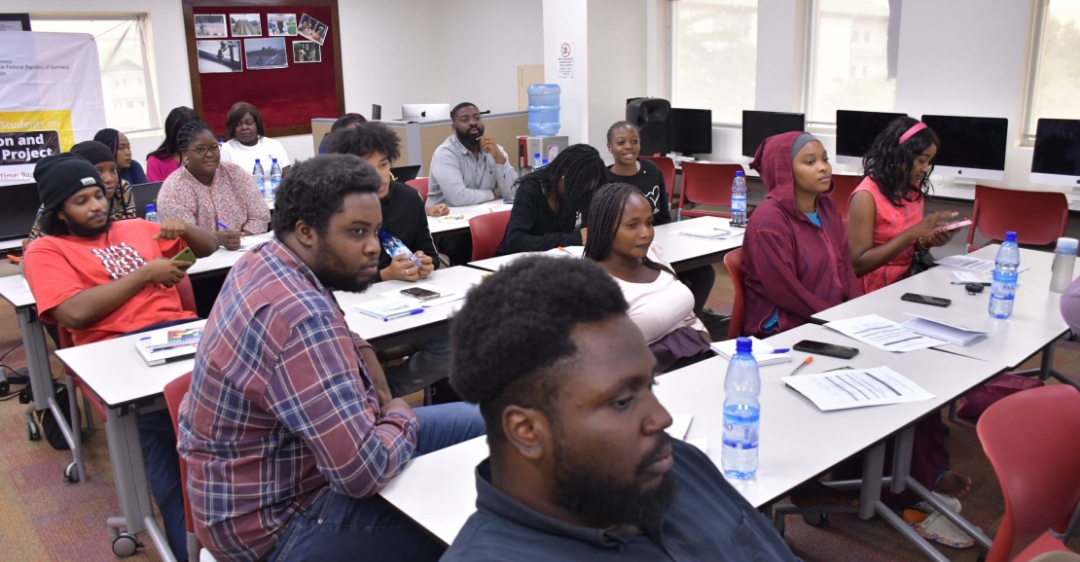
    •: Students seated in an audience at a university seminar in Nigeria.
    •Students listen to a speaker at a campus seminar.

    Speakers and Participants

    The reputation of a speaker may attract attention, but students should also consider whether the person’s experience is relevant to the subject. A well-known personality may not necessarily provide detailed guidance on the particular skill participants hope to learn.

    Organisers can improve the value of an event by creating opportunities for questions, demonstrations, practical exercises, and direct engagement.

    Students should also prepare. Reading about the topic beforehand and developing relevant questions can help them make better use of the session.

    Measuring the Value of an Event

    Attendance figures alone do not establish whether an event succeeded. Organisers should consider whether participants understood the content, completed the intended activities, or gained information they can apply.

    Feedback forms, follow-up discussions, practical demonstrations, and records of participation can provide useful evidence.

    Students can also evaluate their own experience by asking what they learned, which contacts or resources they gained, and whether the event met the expectations created by its announcement.

    The Role of Student Organisers

    Student associations and departmental groups should be transparent about event objectives, funding arrangements where relevant, registration processes, and the use of collected participant information.

    Announcements should not exaggerate the benefits or misrepresent speakers and partners. Photographs and videos should be handled responsibly, especially where participants have not agreed to particular uses of their images.

    Conclusion

    A campus event becomes worthwhile when it offers relevant content, clear organisation, meaningful participation, and a reasonable return on the time and resources students invest.

    Students should choose events based on what they need to learn or experience, while organisers should focus on delivering the value promised in their announcements.

  • Student Organisations: Why Transparency Matters

    Student Organisations: Why Transparency Matters

     By The Public Lens Campus Desk

    Student organisations manage activities, communicate with members, and sometimes handle funds or resources. Clear records and open communication can help members understand decisions and maintain confidence in their leaders.

    Student organisations play different roles within university communities. Some organise academic programmes, others coordinate cultural and sporting activities, while some represent students in discussions with university authorities.

    These organisations depend on participation and trust. Members need to understand what their leaders are doing, how decisions are made, and whether the organisation is meeting its stated objectives.

    Transparency does not mean that every private conversation or personal detail must be made public. It means providing appropriate information about decisions, responsibilities, and the use of shared resources.

    Why Records Matter

    An organisation may collect membership dues, receive sponsorship, sell event tickets, or obtain support for a particular activity. When money or resources are involved, clear records help members understand what was received and how it was used.

    Financial documentation may include receipts, payment records, approved budgets, and reports showing expenditure. The exact requirements depend on the organisation’s rules and the nature of its activities.

    Keeping records protects both members and leaders. It makes it easier to explain decisions, identify mistakes, and resolve disagreements using evidence rather than rumours.

    Communicating Decisions

    Members may become frustrated when they learn about major decisions only after they have been implemented. This can happen when leaders fail to explain the reasons for a decision or do not provide updates after meetings.

    Organisations can improve communication by publishing appropriate meeting summaries, announcing upcoming activities clearly, and explaining changes that affect members.

    Where a decision must remain confidential for a legitimate reason, leaders can explain the limits of what they are able to disclose without revealing sensitive information.

    Students gather to discuss eventAccountability Is Not Personal Attack

    Questions about spending, event planning, or leadership decisions should not automatically be treated as attempts to embarrass the executive. Members have a legitimate interest in understanding how an organisation operates.

    At the same time, questions should be raised responsibly. Unsupported accusations can damage reputations and make constructive discussion more difficult.

    A useful process allows members to ask questions, gives leaders an opportunity to respond, and provides access to relevant records where appropriate.

    Elections and Continuity

    Transparency also matters during leadership transitions. New executives need access to relevant records, account information, activity reports, and unfinished commitments.

    Without proper handover, an organisation may repeat mistakes or lose important information whenever its leadership changes.

    Clear procedures for elections, financial reporting, decision-making, and handover can help an organisation continue functioning beyond the tenure of individual leaders.

    The Responsibility of Members

    Members should not wait until a problem develops before taking an interest in the organisation. Attending meetings, reading official updates, understanding the organisation’s rules, and asking questions can help maintain accountability.

    Participation should also involve more than criticism. Members can volunteer, contribute ideas, assist with projects, and help leaders meet shared objectives.

    Transparency helps student organisations maintain trust, explain decisions, and manage resources responsibly. It provides members with a basis for assessing performance while protecting leaders from misunderstandings that can arise when information is unavailable.

    A strong organisation combines responsible leadership with informed and active membership.

  • Student Accommodation: The Everyday Challenges Behind Hostel Life

    Student Accommodation: The Everyday Challenges Behind Hostel Life

     By The Public Lens Campus Desk

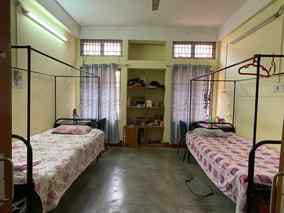
     Student accommodation affects more than where students sleep. Conditions involving water, sanitation, security, noise, electricity, and transport can influence study routines, health, and general campus experience.

    For many university students, finding suitable accommodation is one of the major practical decisions of campus life. Some live in university-managed hostels, while others rent rooms or apartments in nearby communities. Each arrangement can offer advantages, but students may also face difficulties that affect their daily routines.

    Accommodation concerns are sometimes reduced to the cost of rent or the distance from campus. In practice, students also need to consider access to water, sanitation, electricity, transport, security, study space, and the rules governing the property.

    Understanding these issues can help students make informed choices and help institutions recognise how living conditions affect student welfare.

    The Cost of Living Near Campus

    Accommodation costs may include rent, deposits, agency fees, utility charges, maintenance contributions, and transport expenses. A room advertised at a low price may become more expensive when these additional costs are considered.

    Students should ask for a clear breakdown of payments before making commitments. They should also clarify the duration of the tenancy, the conditions for renewing it, and the circumstances under which money may be refunded.

    Where possible, students should inspect the accommodation and confirm the identity and authority of the person collecting payment. Written agreements and payment records can help prevent later disputes.

    Water, Sanitation, and Electricity

    Access to reliable water affects drinking, cooking, bathing, cleaning, and other basic activities. Poor sanitation can create health concerns, while unreliable electricity may interfere with studying, charging devices, and carrying out ordinary household tasks.

    Students considering accommodation should ask how water is supplied, whether shared facilities are maintained, how electricity costs are handled, and who is responsible for repairs.

    Conditions may vary between buildings and change over time. Students should therefore avoid relying only on photographs or descriptions in an online advertisement.

    Security and Personal Safety

    The safety of the building and its surroundings should be part of the decision. Relevant considerations may include access control, locks, lighting, emergency arrangements, and the general condition of entrances and shared areas.

    Students should also consider transport routes and how they will travel during early mornings or late evenings. No single feature guarantees safety, so it is useful to assess the overall environment and seek reliable information from current residents.

    Accommodation providers and institutions should communicate safety rules clearly and respond appropriately when residents report serious concerns.

    Shared Living and Personal Boundaries

    Living with roommates can reduce expenses and provide companionship, but it may also create disagreements over cleaning, visitors, noise, shared purchases, and the use of common facilities.

    Agreeing on basic expectations early can prevent some conflicts. Roommates can establish arrangements for cleaning, paying shared bills, handling visitors, and protecting personal belongings.

    Students should also respect the privacy and property of others. Where disagreements cannot be resolved directly, they may need to seek help from a landlord, hostel manager, student affairs office, or another appropriate authority.

    The Link Between Accommodation and Learning

    A student who lacks a quiet place to study, reliable transport, or adequate rest may find it harder to maintain an academic routine. Long journeys can reduce the time available for reading and assignments, while repeated disruptions may affect concentration.

    This does not mean that students living in difficult conditions cannot succeed. It means that accommodation is part of the wider environment in which learning takes place.

    Universities, landlords, local authorities, and student representatives each have roles to play within their responsibilities.

    Student accommodation should be assessed in terms of affordability, safety, essential services, location, and the conditions of daily living. Looking beyond the advertised rent can help students avoid unexpected expenses and identify problems before committing to a property.

    Better accommodation decisions can support a more stable student experience and make it easier to balance academic responsibilities with everyday life.