By The Public Lens Campus Desk
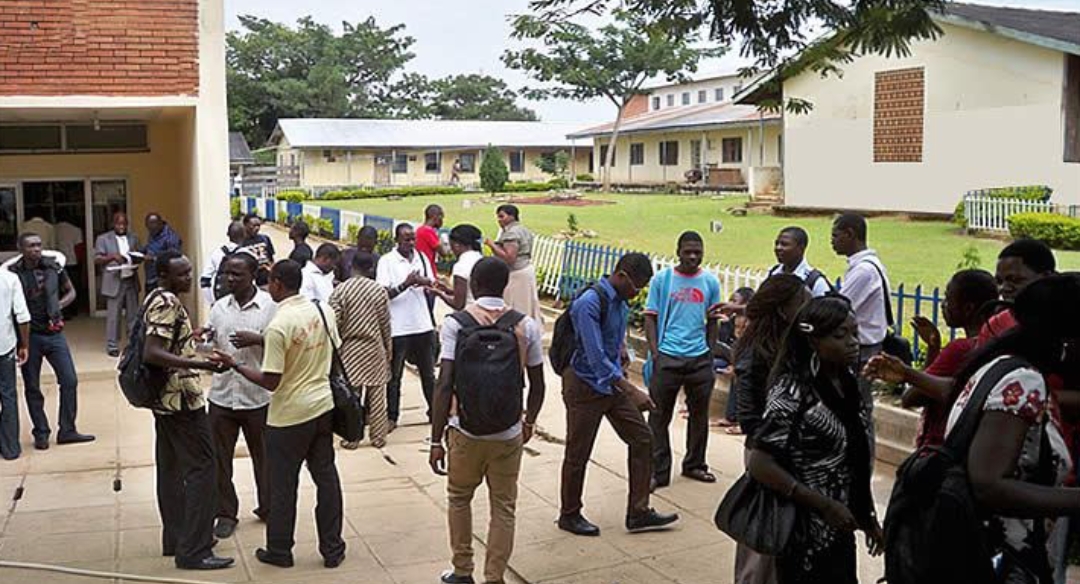
Student associations, campus media, volunteer groups, sports, and departmental activities can provide opportunities to practise communication, teamwork, planning, and leadership alongside academic learning.
University education is often measured through lectures, assignments, examinations, and final results. These activities are central to academic development, but students also learn through experiences outside the classroom.
Campus activities can expose students to responsibilities that are difficult to practise through lectures alone. Organising an event, editing a publication, managing a small budget, coordinating volunteers, or resolving a disagreement within a group can require students to apply knowledge under real conditions.
These experiences do not automatically produce competent professionals. Their value depends on the responsibilities students undertake, the quality of their participation, and what they learn from the process.
Communication Through Participation
Many campus activities require students to communicate with people who have different expectations and levels of experience. A student organising a seminar may need to contact speakers, prepare announcements, coordinate with venue managers, and respond to questions from participants.
These tasks require more than speaking confidently. They involve listening, writing clearly, confirming details, and adapting messages to different audiences.
Students involved in campus journalism may develop additional skills in interviewing, research, editing, fact-checking, and presenting information. Those experiences can be useful beyond journalism because many professions depend on accurate and effective communication.

Teamwork and Responsibility
Group activities create opportunities to practise cooperation, but they can also expose common problems. Some members may complete most of the work while others contribute very little. Instructions may be misunderstood, deadlines may be missed, and disagreements may arise over decisions.
Students can learn from these difficulties by assigning responsibilities clearly, setting realistic deadlines, documenting decisions, and communicating problems early.
Working in a team also requires members to accept responsibility for their own contributions rather than assuming that another person will always correct mistakes.
Planning and Problem-Solving
Campus events rarely proceed exactly as planned. A speaker may arrive late, equipment may fail, attendance may be lower than expected, or an activity may need to be moved because of an unexpected development.
Students who help organise such activities can learn to identify risks, prepare alternatives, and make decisions under pressure.
These experiences are particularly useful when students take time afterwards to evaluate what worked, what failed, and what should change next time.
The Importance of Balance
Participation in campus activities should complement academic work rather than make it impossible. Students who accept too many responsibilities may struggle to attend lectures, complete assignments, or maintain their wellbeing.
Choosing a manageable number of activities allows students to contribute meaningfully and develop skills without constantly missing other obligations.
Students should also be careful not to judge their progress only by the number of positions they hold. Taking responsibility for one project and completing it well may provide more learning than joining many groups without active participation.
Making Experience Visible
Students can keep records of projects they have completed, responsibilities they have handled, and skills they have developed. These records may later help them explain their experience during internships, job applications, scholarship applications, or professional interviews.
The emphasis should be on actual contributions. A title alone does not show what someone can do, but a clear explanation of a completed project can provide useful evidence.
Campus activities can extend learning beyond the classroom by giving students opportunities to practise communication, leadership, teamwork, and problem-solving.
The greatest benefit comes from active participation, reflection, and responsible completion of tasks. Students should therefore choose opportunities that align with their interests, contribute meaningfully, and leave room for their academic responsibilities.
Leave a Reply