By The Public Lens Education Desk
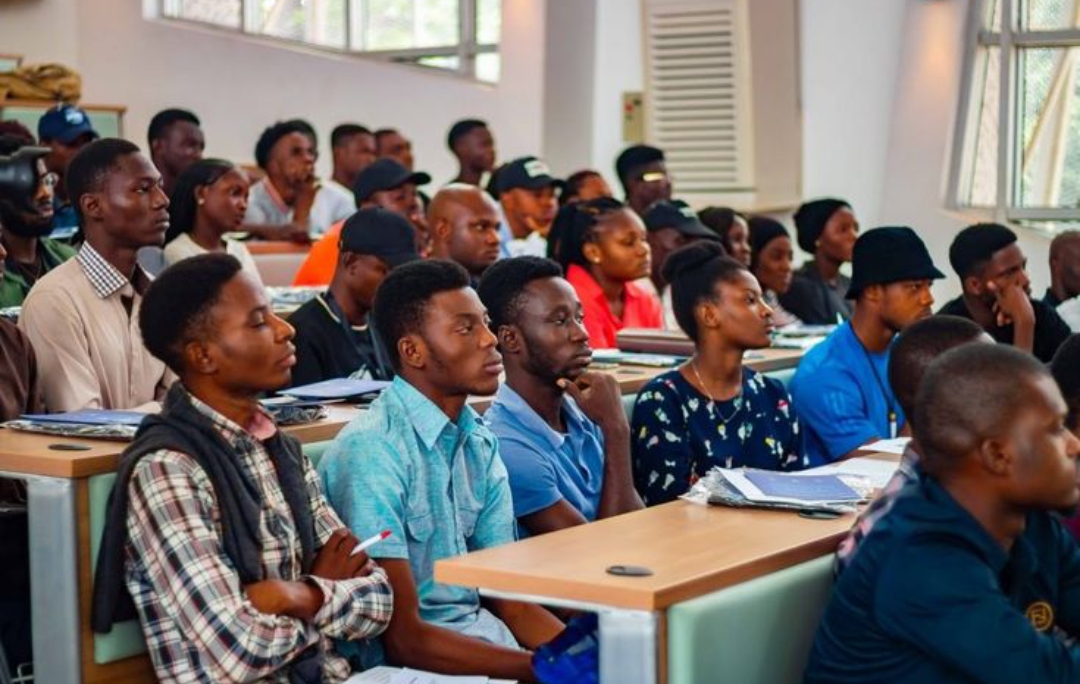
Students who begin exploring career options early may have more time to develop relevant skills, gain experience, and understand the expectations of their chosen fields before graduation.
Many students begin thinking seriously about employment only when graduation approaches. At that point, they may start preparing a curriculum vitae, searching for internships, contacting potential employers, or wondering which professional path to follow.
These activities are important, but starting earlier can make the process less rushed. University years provide opportunities to explore interests, develop practical skills, meet professionals, and test different career options before making long-term decisions.
Career guidance should therefore be treated as part of the wider educational experience rather than a final activity carried out shortly before graduation.
A Degree Does Not Automatically Define One Career
Some courses lead towards established professions, while others provide knowledge and skills that can be applied across several industries. Students may also discover interests that differ from the career they originally imagined.
A student studying mass communication, for example, may become interested in journalism, public relations, advertising, corporate communication, digital content, research, or media production. Each area has different expectations and may require additional practical skills.
Exploring these possibilities early can help students understand which options suit their interests and strengths.
Use Academic Activities to Build Evidence of Skill
Course assignments can provide opportunities to develop work that demonstrates competence. Depending on the programme, students may produce reports, designs, research projects, videos, presentations, websites, or other practical outputs.
Instead of treating every assignment as a task to submit and forget, students can identify work that demonstrates their abilities and retain suitable examples for a portfolio, subject to any rules about confidentiality and permitted use.
The aim is not simply to collect files. Students should be able to explain the purpose of each project, their individual contribution, the decisions they made, and what they learned.
Gain Experience Before Graduation
Internships, volunteering, student organisations, professional events, part-time work, and supervised projects can help students understand how professional environments operate.
Such opportunities may expose students to deadlines, teamwork, client expectations, workplace communication, and the need to revise work after receiving feedback.
Not every student will have access to the same opportunities, and unpaid work may not be financially realistic for everyone. Students should consider the costs, learning value, safety, and relevance of an opportunity before accepting it.
Build Professional Relationships Responsibly
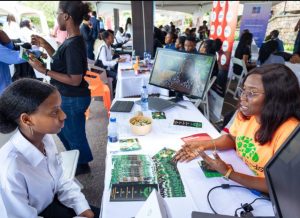
Career development can also involve learning from lecturers, alumni, professionals, and people working in areas of interest. Asking thoughtful questions and following up respectfully can help students understand industry expectations.
Professional networking should not be reduced to requesting favours from people. Students can prepare by researching the person or organisation, explaining their interests clearly, and being specific about the information they hope to obtain.
Maintaining a good reputation also matters. Reliability, respectful communication, and completing agreed tasks can influence how others view a student’s readiness for professional opportunities.
Review Progress Regularly
Students can set practical goals for each academic year. Early goals may include exploring possible careers and learning basic tools. Later goals may involve completing projects, gaining experience, building a portfolio, and preparing application documents.
These goals should be reviewed as interests and circumstances change. A student does not need to have an entire career mapped out in the first year, but should gradually develop a clearer understanding of possible directions.
Career preparation is more effective when it develops alongside academic learning. Students who explore career options, practise relevant skills, and seek suitable experience before final year may be better prepared to make informed decisions after graduation.
The objective is not to rush students into choosing one permanent path. It is to give them enough information and experience to approach their next stage with greater confidence and practical preparation.
Leave a Reply