By The Public Lens Society Desk
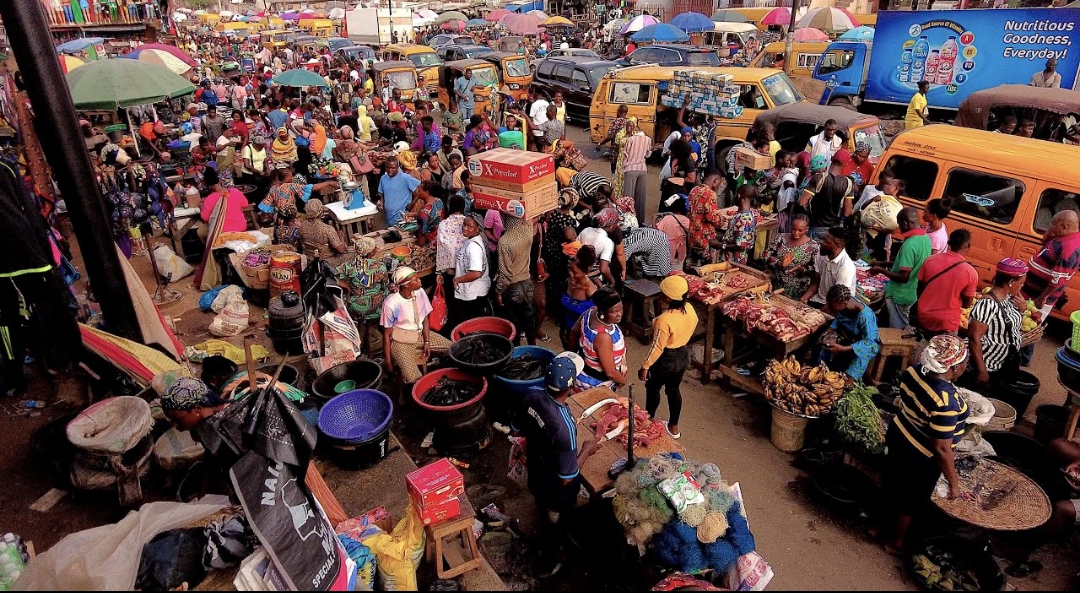
When the cost of food, transport, housing, and other essentials increases, households may need to adjust their spending. Understanding these choices requires attention to both individual decisions and wider economic conditions.
Household spending decisions are influenced by the prices of essential goods and services, the income available to the family, and the demands competing for limited resources. When living costs increase faster than household income, families may find it difficult to maintain the same standard of living.
The effects can be visible in everyday choices. A household may change where it buys food, reduce non-essential spending, adjust transport arrangements, delay replacing equipment, or reconsider how much money can be set aside for education and emergencies.
These decisions vary according to family size, income, location, and other circumstances. Understanding the cost-of-living challenge requires more than assuming that every household can respond in the same way.
How Rising Prices Affect Spending
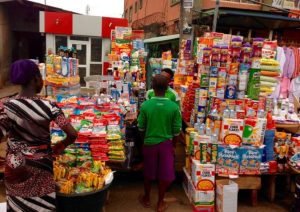
Food, accommodation, transport, electricity, healthcare, and education may account for substantial parts of a household’s budget. When the price of one or more of these essentials rises, the family may have less money available for other needs.
For example, a student whose transport expenses increase may have to reconsider spending on data, meals outside the home, or learning materials. A household with children may need to prioritise food and school expenses over other purchases.
Such adjustments can be difficult because many essential costs cannot simply be eliminated. Families still need to eat, travel, maintain accommodation, and meet important responsibilities.
The Importance of Reliable Information
Discussions about the cost of living often include claims about inflation, wages, fuel prices, food costs, and household income. These claims should be supported by reliable information rather than isolated examples or unsupported estimates.
Official statistics can provide information about changes in prices and economic conditions, while household surveys and credible reporting may help explain how those changes affect different groups.
However, a national average does not describe every family’s experience. Prices and income levels may differ across locations and households, so reports should explain the period and population covered by any figures they use.
How Households Adjust
Some households prepare spending plans, compare prices, buy selected items in larger quantities where practical, or reduce avoidable expenses. Others may seek additional income or change the way responsibilities are shared within the family.
These strategies can help in certain circumstances, but they have limits. Buying in bulk requires money upfront and suitable storage. Changing transport arrangements may be impossible where alternatives are unsafe or unavailable. Taking on additional work may also create pressure for people who already have demanding schedules.
Responsible reporting should explain these constraints instead of presenting budgeting as a complete solution to every financial problem.
The Wider Economic Picture
Household experiences are also shaped by factors beyond individual control, including employment opportunities, wages, transport systems, food supply, housing availability, and public policy.
Understanding the causes of rising costs may require examining several factors together. A single price increase may have different causes from a broader rise across many goods and services.
Journalists should therefore consult relevant data, economists, public agencies, businesses, and affected households before drawing conclusions about a particular economic trend.
The cost of living affects households through everyday decisions about essential needs and limited resources. Personal budgeting may help families manage some pressures, but it cannot replace the wider economic conditions that determine prices, incomes, and access to services.
Accurate reporting should combine reliable data with the experiences of affected people, helping the public understand both the immediate consequences and the broader issues involved.

 Pedestrians and Passengers
 Water, Sanitation, and Public Health

 Planning a Useful Initiative