By The Public Lens Society Desk
Road safety depends on the decisions of drivers, passengers, pedestrians, cyclists, transport operators, and public authorities. Understanding common risks can help people make safer choices on busy roads.
Roads connect people to schools, workplaces, markets, healthcare facilities, and social activities. They also bring together different road users, including motorists, commercial drivers, cyclists, pedestrians, and people using public transport.
When road users ignore safety rules or fail to consider the conditions around them, the consequences can be serious. Speeding, distraction, unsafe overtaking, poor vehicle maintenance, and failure to use appropriate safety equipment can increase the risk of crashes and injuries.
Road safety is therefore not only the responsibility of drivers. It requires attention from everyone who uses or manages the road system.
Distraction and Attention
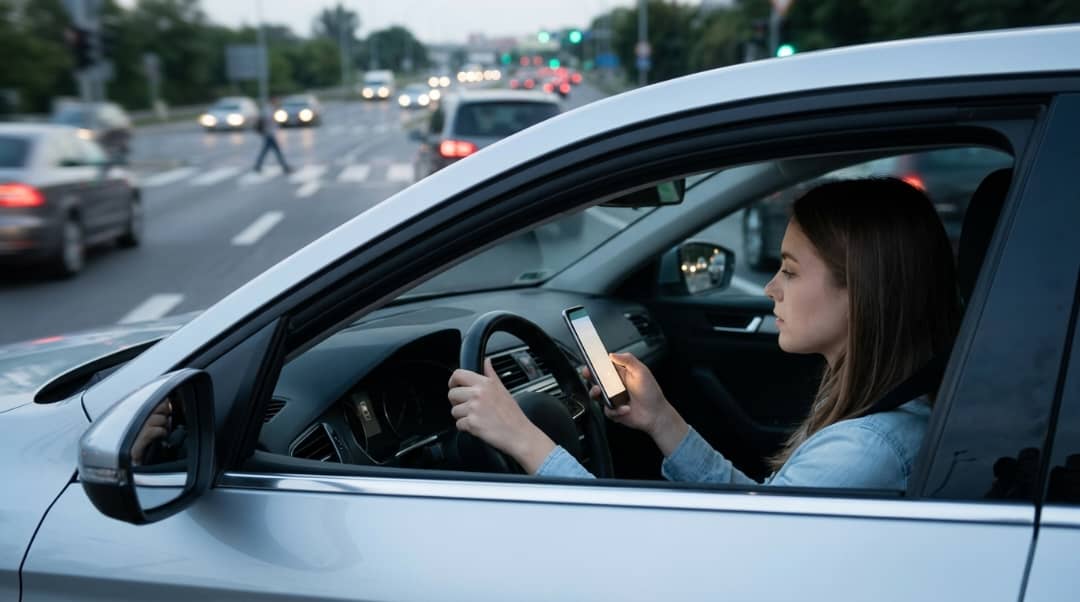
Using a phone while driving can take attention away from the road. Reading messages, making calls without appropriate hands-free arrangements, or attempting to respond to notifications may reduce a driver’s ability to notice hazards and react promptly.
Passengers can also contribute to distraction when they pressure drivers to respond to messages or engage in activities that interfere with safe driving.
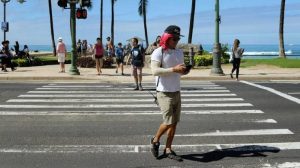
Pedestrians need to remain alert as well. Looking at a phone while crossing a road can make it harder to observe approaching vehicles, traffic signals, and other hazards.
The safest choice is to give the task of travelling appropriate attention.
Speed and Road Conditions
Driving speed should reflect legal limits and the conditions on the road. Rain, poor visibility, damaged surfaces, heavy traffic, and the presence of pedestrians may require additional caution.
A speed that feels manageable on an open road may be unsafe near a market, school, junction, or residential area. Drivers should allow enough space to stop safely and avoid assuming that other road users will always behave predictably.
Commercial operators and vehicle owners also have responsibilities for maintenance and safe operation. Defective brakes, worn tyres, faulty lights, and other mechanical problems can create risks that cannot be solved by careful driving alone.
 Pedestrians and Passengers
Pedestrians should use designated crossings and walkways where available, observe traffic conditions, and avoid assuming that a driver has seen them.
Passengers can support safety by using available seat belts, avoiding unnecessary pressure on drivers, and reporting clearly unsafe practices when appropriate. Passengers using motorcycles or other vehicles should follow the relevant safety requirements, including appropriate protective equipment.
People should also be cautious when boarding or leaving moving vehicles and should avoid standing in positions that expose them to unnecessary danger.
Public Infrastructure and Enforcement
Road safety is influenced by road design, lighting, signage, pedestrian facilities, vehicle inspections, traffic management, and enforcement of applicable laws.
Authorities may need to address dangerous junctions, maintain road surfaces, improve visibility, and provide safe crossing facilities. Public education can help people understand risks, but it cannot substitute for appropriate infrastructure and consistent enforcement.
When crashes occur, reliable reporting should distinguish confirmed facts from speculation. Information about causes should come from appropriate evidence or authorised investigations rather than assumptions made immediately after the event.
Building a Safety Culture
Road users can contribute by obeying traffic rules, avoiding impairment while driving, maintaining vehicles, wearing appropriate safety equipment, and showing consideration for others.
Employers and transport operators can support safety through training, maintenance procedures, realistic schedules, and policies that discourage dangerous driving practices.
Road safety depends on repeated decisions made by individuals as well as the systems that shape how roads are used. Careful driving, attentive walking, safe passenger behaviour, reliable vehicles, appropriate infrastructure, and effective enforcement all contribute to reducing avoidable risks.
A safer road environment requires people to recognise that small decisions can affect not only their own lives but also the lives of others.
Leave a Reply