By The Public Lens Campus Desk
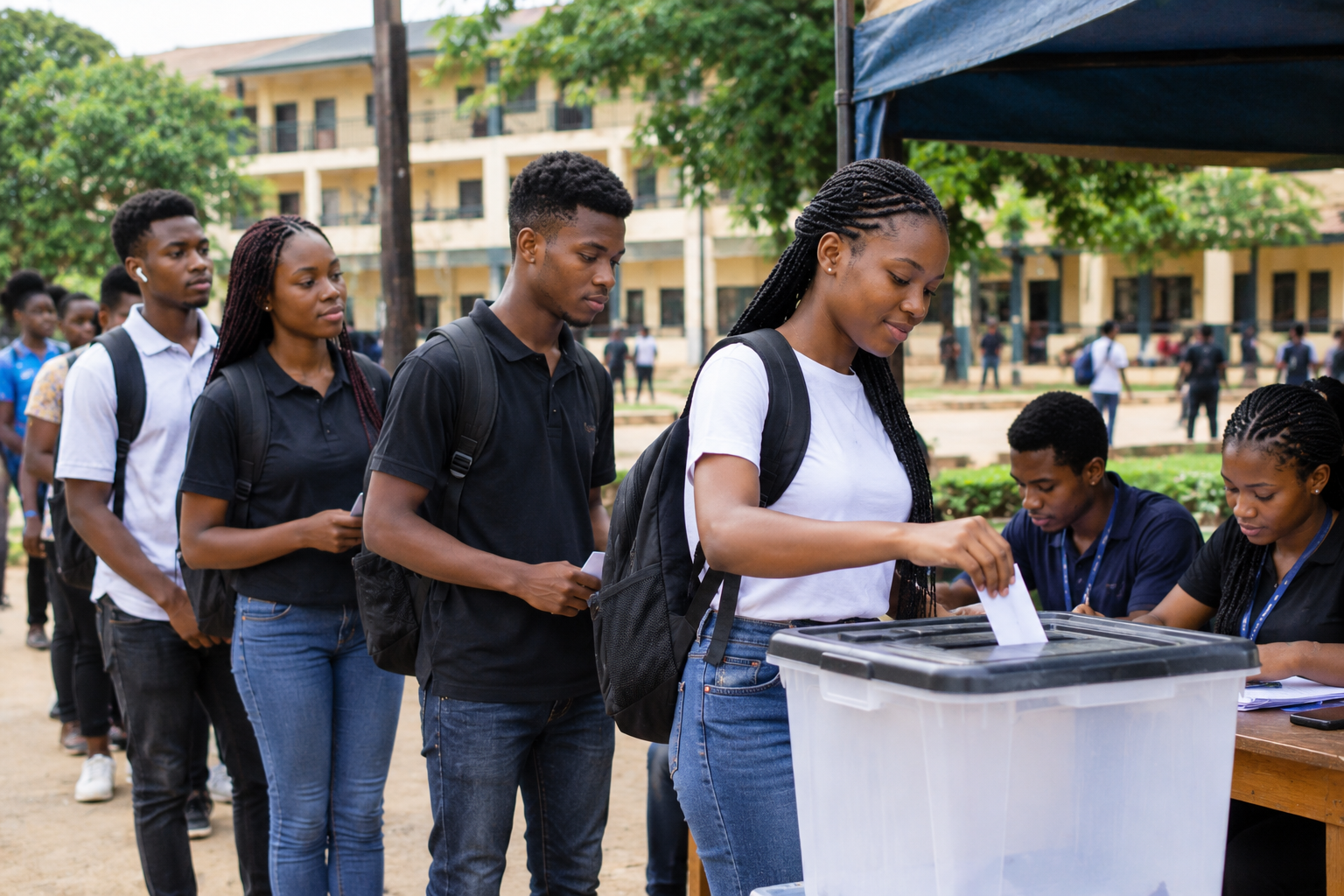
Student elections offer an opportunity to practise democratic participation. Choosing representatives should involve more than popularity, friendship, campaign excitement, or promises that candidates may struggle to fulfil.
Student elections are an important part of campus life. They determine who represents students in discussions with university management, organises student activities, communicates grievances, and participates in decisions affecting the student community.
For many students, these elections are also their first direct experience of choosing representatives within an organised institution. The process can teach valuable lessons about leadership, accountability, political communication, and responsible citizenship.
However, student elections can become competitions based mainly on popularity. Candidates may be supported because they belong to a particular friendship group, have a large social media following, or are known for entertaining their classmates. While personal relationships can influence how people choose, they should not replace a serious assessment of the candidates.
Look Beyond Popularity
A candidate may be well known across campus without having the skills required for the position being contested. Another candidate may be less visible but have a clear understanding of students’ concerns and a realistic plan for addressing them.
Voters should therefore consider what the position requires. A representative may need to communicate with university officials, organise meetings, manage funds, coordinate volunteers, document decisions, and report back to students.
The ability to perform these responsibilities matters more than the ability to attract attention during a campaign.
Examine the Promises
Campaign promises provide an opportunity to assess whether candidates understand the problems students face. However, promises should be examined carefully.
A candidate may promise better learning facilities, improved access to information, more transparent student leadership, or more effective communication. Voters should ask how these goals would be pursued, what resources might be required, and which institutions have the authority to approve the proposed changes.
For example, a student representative may be able to raise concerns about a university facility and negotiate with the appropriate office. The representative may not have the authority to independently approve major construction or change university-wide financial policies.
A realistic candidate should explain these limitations rather than promise outcomes that depend entirely on other people.
 Accountability After the Election
The responsibility of a representative does not end when the election is over. Students should expect regular communication about meetings, decisions, challenges, and progress on campaign commitments.
Candidates should also explain what they intend to do when a proposal is rejected or delayed. Leadership is not measured only by the number of promises fulfilled. It also involves communicating honestly when circumstances prevent a commitment from being achieved.
Students can support accountability by attending open meetings, reading official updates, asking relevant questions, and keeping records of commitments made during campaigns.
The Role of Voters
Voters also have responsibilities. Sharing unverified allegations about candidates, using threats to influence voting, or deliberately spreading misleading campaign material undermines the credibility of the process.
Students should assess claims before sharing them and allow candidates to respond to serious allegations. They should also respect the choices of other voters, even when those choices differ from their own.
Student elections should be treated as more than a campus popularity contest. They provide an opportunity to choose people who can represent collective interests, communicate effectively, and accept responsibility for their decisions.
Before voting, students should ask three questions: Does this candidate understand the issues? Are the promises realistic? Is the candidate prepared to account for decisions after the election?
The answers can help students make more informed choices and build a stronger culture of responsible leadership on campus.
Leave a Reply